Feline Nutrition Guide: Choosing the Right Food for Your Cat
Written By

Veterinary Technician & Pet Care Specialist
Medically Reviewed By

Veterinarian & Animal Behaviorist
Sources
- [1]American Association of Feline Practitioners (AAFP) Nutrition Guidelines
- [2]Journal of Feline Medicine and Surgery: Nutritional Management
- [3]American Animal Hospital Association (AAHA) Nutritional Assessment Guidelines

Key Takeaways
Veterinary nutritionist explains how to select appropriate food for cats. Learn about nutritional requirements, ingredient quality, and feeding strategies for optimal feline health.
The day my cat stopped eating
Let me tell you about my cat, Luna. She's a beautiful tabby with a personality as big as her appetite - or at least she used to be. About a year ago, I noticed she was starting to turn her nose up at her food. At first, I thought she was just being picky, but then she stopped eating altogether.
I was worried sick. I took her to the vet, and after a few tests, they told me she was suffering from digestive issues. The vet asked me what I was feeding her, and I had to admit I was just buying whatever dry food was on sale at the grocery store.
That's when I realized I had been making a huge mistake. I thought feeding a cat was as simple as putting out a bowl of kibble, but I was wrong. Choosing the right pet food is one of the most important decisions you can make as a pet owner.
The struggle to find the right food
Over the next six months, I went through what felt like a never-ending cycle of trying different foods and watching Luna turn her nose up at each one. I tried:
- Cheap dry food (she wouldn't touch it)
- Expensive grain-free dry food (she ate a little but then stopped)
- Canned wet food (she loved it at first, then got bored)
- Raw food (she seemed interested but had digestive issues)
- Even homemade food (she ate it but the vet said it wasn't nutritionally balanced)
I was frustrated and worried. I didn't know what to do. That's when I decided to educate myself about pet food and nutrition.
What I learned about pet food labels
I used to just grab the cheapest bag of cat food at the store without looking at the label. But I learned that pet food labels contain valuable information that can help you make an informed decision.
Decoding the label
The first thing I learned is that the ingredient list is important. Ingredients are listed in descending order by weight, so the first few ingredients are the most abundant in the food. I started looking for foods that listed high-quality protein sources (like chicken or fish) as the first ingredient, not fillers like corn or wheat.
I also learned about the nutritional adequacy statement, which tells you whether the food is complete and balanced for a specific life stage. I made sure to choose food that was formulated for adult cats, since Luna was about 5 years old at the time.
And I started paying attention to the feeding guidelines. I had been overfeeding Luna, which was contributing to her weight gain and digestive issues. The vet told me to feed her based on her ideal weight, not her current weight.
The different types of pet food
I tried just about every type of pet food out there, and each one had its pros and cons:
Dry Food (Kibble)
- Pros: Convenient, affordable, helps keep teeth clean
- Cons: Lower moisture content, some brands use lower-quality ingredients
Wet Food (Canned)
- Pros: High moisture content (good for hydration), palatable (great for picky eaters)
- Cons: More expensive, less convenient, shorter shelf life
Raw Food Diets
- Pros: Mimics a cat's natural diet, may improve coat condition and energy levels
- Cons: High risk of bacterial contamination, nutritionally unbalanced if not properly formulated
Grain-Free Food
- Pros: May be suitable for cats with grain allergies
- Cons: More expensive, recent studies have linked grain-free diets to heart issues in dogs
Finding the right food for Luna
After months of trial and error, I finally found the right food for Luna. It's a high-quality wet food made with real chicken as the first ingredient, and it's formulated for adult cats with sensitive digestive systems.
I also started mixing in a small amount of dry food to help keep her teeth clean. And I've been feeding her smaller, more frequent meals instead of one big meal a day.
The difference has been amazing. Luna is now eating regularly, her coat is shiny and soft, and she has more energy than ever. She's even started playing with her toys again!
What I wish I knew earlier
Looking back, there are a few things I wish I knew before I started this journey:
-
Consult with your veterinarian first: The vet could have saved me months of trial and error by recommending a food that was specifically formulated for cats with digestive issues.
-
Don't just go for the cheapest option: While budget is important, the cheapest food isn't always the best for your pet's health. Investing in high-quality food can save you money on vet bills down the road.
-
Pay attention to your pet's individual needs: Every pet is different. What works for one cat might not work for another. Pay attention to your pet's behavior, energy levels, and digestion to find the right food for them.
-
Be patient: It might take some time to find the right food for your pet. Don't get discouraged if the first few options don't work out.
-
Read the labels: Take the time to read and understand pet food labels. They contain valuable information that can help you make an informed decision.
My advice to other pet owners
If you're struggling to find the right food for your pet, here's my advice:
-
Start with a consultation with your veterinarian: They can help you understand your pet's nutritional needs and recommend foods that are appropriate for their age, health status, and lifestyle.
-
Do your research: Read pet food labels, talk to other pet owners, and look for reputable brands that have a good track record.
-
Try small batches: When trying a new food, buy a small bag or can first to see if your pet likes it before committing to a larger size.
-
Monitor your pet's health: After switching to a new food, keep an eye on your pet's energy levels, coat condition, digestion, and weight. If you notice any negative changes, consult with your veterinarian.
-
Don't give up: Finding the right food for your pet might take some time, but it's worth it to see them happy and healthy.
The happy ending
Today, Luna is a happy, healthy cat. She looks forward to mealtime, and she's back to her playful self. I attribute a big part of her recovery to finding the right food for her.
I've learned that feeding your pet isn't just about putting food in a bowl - it's about providing them with the nutrition they need to thrive. It's one of the most important things you can do as a pet owner.
So if you're struggling to find the right food for your pet, don't give up. With a little patience and research, you'll find something that works for them. And trust me, it's worth it to see your furry friend happy and healthy.
The information provided in this article is for educational purposes only and is not intended as a substitute for professional veterinary advice, diagnosis, or treatment.
Always seek the advice of your veterinarian or other qualified animal health provider with any questions you may have regarding a medical condition or treatment for your pet. Never disregard professional veterinary advice or delay in seeking it because of something you have read on this website.
If you think your pet may have a medical emergency, call your veterinarian or an emergency animal hospital immediately.
Key Topics
Related Articles

Understanding Cat Stress Signals: A Veterinary Guide to Feline Anxiety
Veterinary behaviorist explains how to recognize and address feline stress. Learn the physical and behavioral signs of cat anxiety and evidence-based strategies to help your cat feel safe.
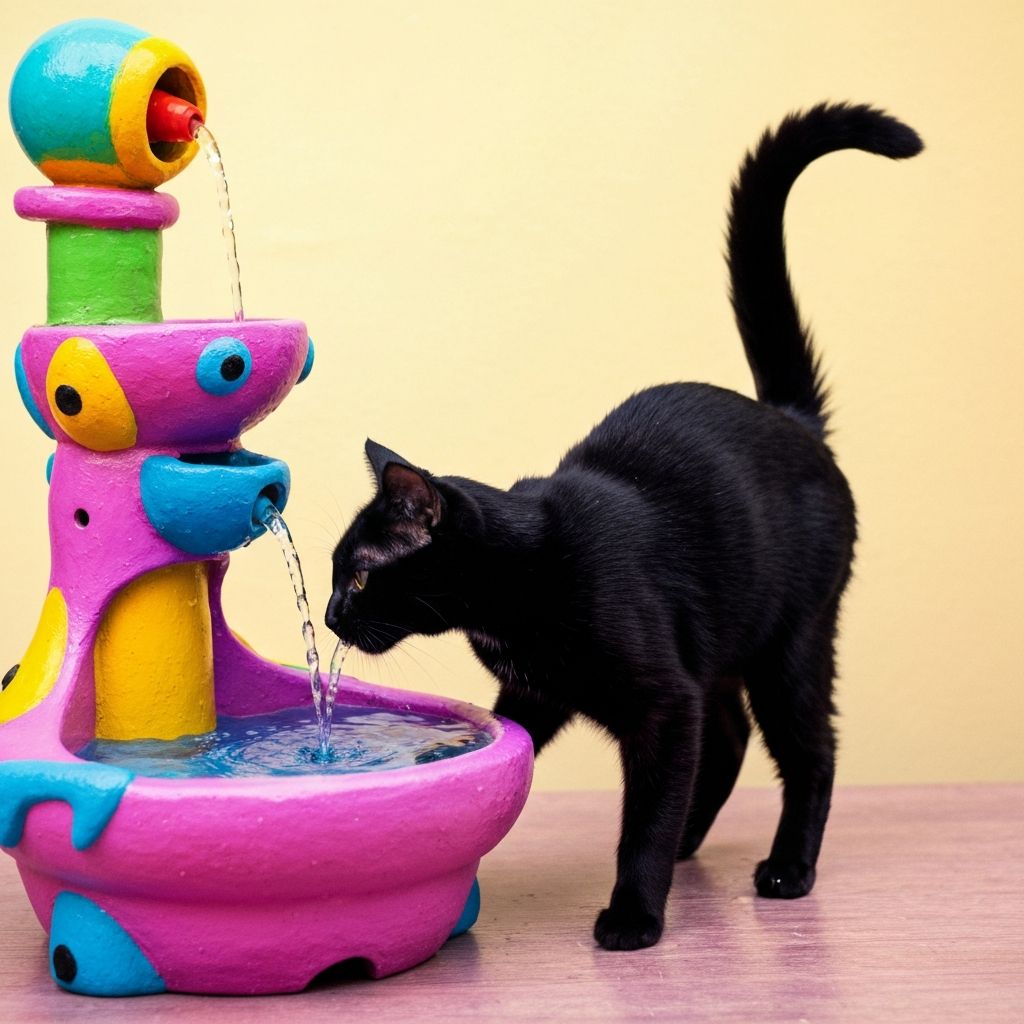
Feline Hydration Guide: Choosing the Best Water Fountain for Your Cat
Veterinary nutritionist explains the importance of proper hydration for cats. Learn how to select the right water fountain and encourage healthy drinking habits to prevent urinary issues.
Feline Urinary Health: Nutritional Strategies for UTI Prevention
Veterinary nutritionist explains the connection between diet and urinary health in cats. Learn how proper nutrition can prevent recurrent UTIs and support feline urinary tract health.