Feline Urinary Health: Nutritional Strategies for UTI Prevention
Written By

Veterinary Technician & Pet Care Specialist
Medically Reviewed By

Veterinarian & Animal Behaviorist
Sources
- [1]American Association of Feline Practitioners (AAFP) Urinary Health Guidelines
- [2]Journal of Feline Medicine and Surgery: Nutritional Management of Urinary Disease
- [3]American Animal Hospital Association (AAHA) Nutritional Assessment Guidelines
Key Takeaways
Veterinary nutritionist explains the connection between diet and urinary health in cats. Learn how proper nutrition can prevent recurrent UTIs and support feline urinary tract health.
The day Oliver started having problems
I'll never forget the day I found Oliver, my 3-year-old tabby, straining to use the litter box. He was crying out in pain, and there was blood in his urine.
I rushed him to the vet, who diagnosed him with a urinary tract infection (UTI). The vet prescribed antibiotics, and Oliver seemed to get better.
But a few months later, the same thing happened. And then it happened again.
The frustrating cycle
For over a year, Oliver went through a cycle of UTIs, antibiotics, and temporary relief.
The vet ran test after test, but couldn't find a underlying cause. "Some cats are just prone to UTIs," she said.
I was frustrated and worried. Oliver was miserable, and the vet bills were piling up.
The breakthrough
One day, I was talking to a friend who's a veterinary technician. "Have you considered his diet?" she asked.
"His diet?" I said. "He eats premium dry food. It's supposed to be good for him."
"Dry food doesn't have enough moisture," she explained. "Cats descended from desert animals, so they don't drink enough water on their own. When they eat dry food, they can become dehydrated, which makes them more prone to urinary problems."
The diet change
I decided to try feeding Oliver wet food instead of dry food. At first, he refused to eat it. He'd sniff it, then walk away.
But I persisted. I mixed a little wet food with his dry food, gradually increasing the amount of wet food and decreasing the dry food.
After a few weeks, Oliver was eating only wet food.
The results
Within a month, Oliver's urinary problems were gone. He stopped straining to use the litter box, and there was no more blood in his urine.
A year later, he hasn't had a single UTI.
The research
I started researching cat nutrition, and I learned a lot:
-
Cats are obligate carnivores: They need a diet high in animal protein.
-
Taurine is essential: Cats can't make taurine on their own, so it's important that their food contains enough of this amino acid.
-
Wet food vs. dry food: Wet food has more moisture, which helps prevent urinary tract problems.
-
Portion control: Overfeeding can lead to obesity, which is a risk factor for many health problems.
-
Avoid toxic foods: Cats can't eat chocolate, onions, garlic, grapes, or raisins.
My cat's ideal diet
Today, Oliver eats a combination of wet food and a small amount of dry food for dental health. I make sure his food is high in animal protein and contains plenty of taurine.
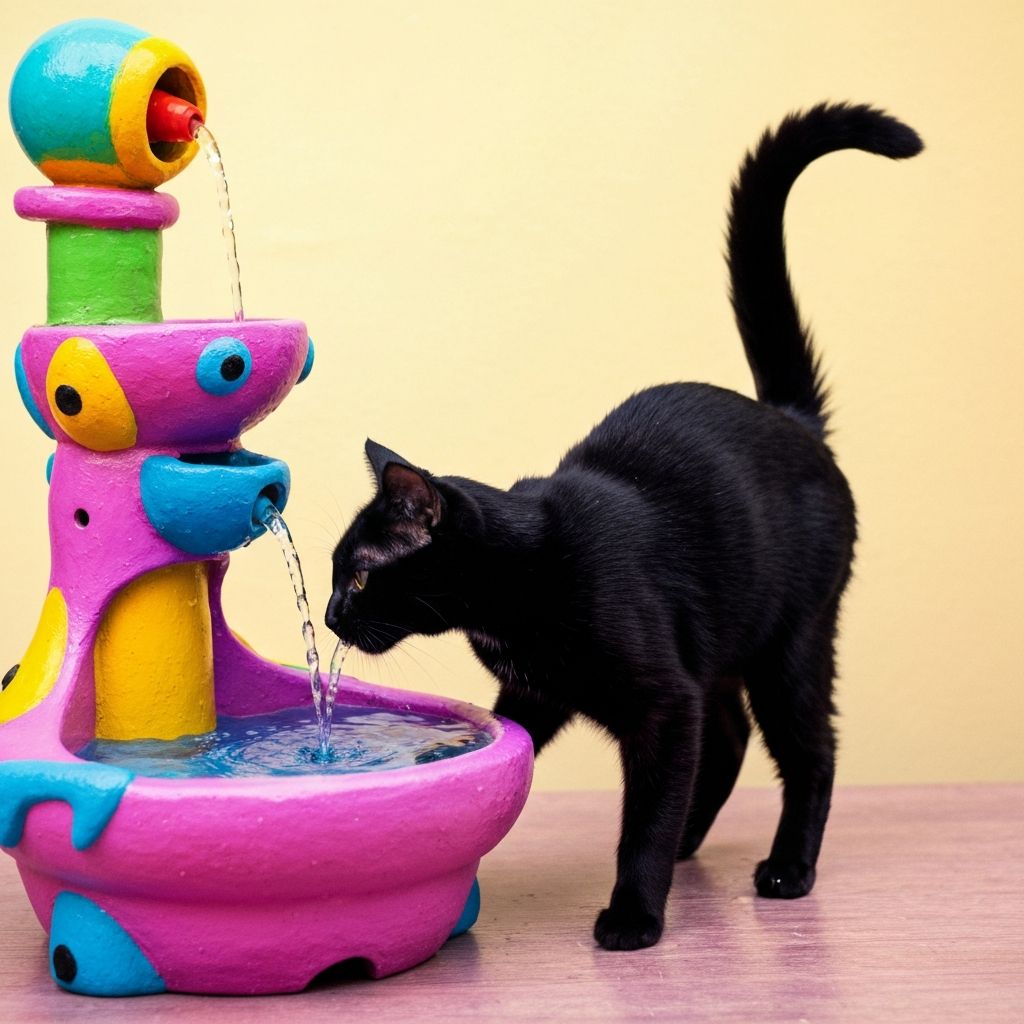
I also give him fresh water in multiple locations around the house, and I have a cat water fountain that he loves.
What I wish someone had told me about cat nutrition
-
Wet food is better for urinary health: The extra moisture helps prevent crystals and infections.
-
Not all cat foods are created equal: Look for food that lists a meat as the first ingredient, not a grain.
-
Cats need taurine: It's essential for heart health, vision, and reproductive health.
-
Portion control is important: Obesity is a major health problem in cats.
-
Cats have different nutritional needs than dogs: Don't feed your cat dog food.
The biggest lesson I learned
Oliver taught me that proper nutrition is the foundation of good health for cats. I had no idea how much his diet was affecting his urinary tract health until I made a change.
Now, I'm passionate about educating other cat owners about proper nutrition. I even started a Facebook group for cat owners in my area, where we share tips and recipes.
Advice for other cat owners
If your cat is having health problems, consider their diet. It might be the solution you're looking for.
And remember: every cat is different. What works for Oliver might not work for your cat. It's important to work with your vet to find the right diet for your feline friend.
But one thing is universal: a healthy diet is essential for a healthy cat.
The information provided in this article is for educational purposes only and is not intended as a substitute for professional veterinary advice, diagnosis, or treatment.
Always seek the advice of your veterinarian or other qualified animal health provider with any questions you may have regarding a medical condition or treatment for your pet. Never disregard professional veterinary advice or delay in seeking it because of something you have read on this website.
If you think your pet may have a medical emergency, call your veterinarian or an emergency animal hospital immediately.
Key Topics
Related Articles

Understanding Cat Stress Signals: A Veterinary Guide to Feline Anxiety
Veterinary behaviorist explains how to recognize and address feline stress. Learn the physical and behavioral signs of cat anxiety and evidence-based strategies to help your cat feel safe.
Feline Hydration Guide: Choosing the Best Water Fountain for Your Cat
Veterinary nutritionist explains the importance of proper hydration for cats. Learn how to select the right water fountain and encourage healthy drinking habits to prevent urinary issues.
Feline Grooming Techniques: A Veterinary Guide to Cat Coat Care
Veterinarian explains proper grooming techniques for cats. Learn how to brush, bathe, and maintain your cat's coat while minimizing stress for both you and your pet.