Feline Grooming Techniques: A Veterinary Guide to Cat Coat Care
Written By

Veterinarian & Animal Behaviorist
Medically Reviewed By
Veterinarian & Animal Behaviorist
Sources
- [1]American Association of Feline Practitioners (AAFP) Grooming Guidelines
- [2]Journal of Feline Medicine and Surgery: Skin and Coat Health
- [3]American Animal Hospital Association (AAHA) Feline Care Standards
Key Takeaways
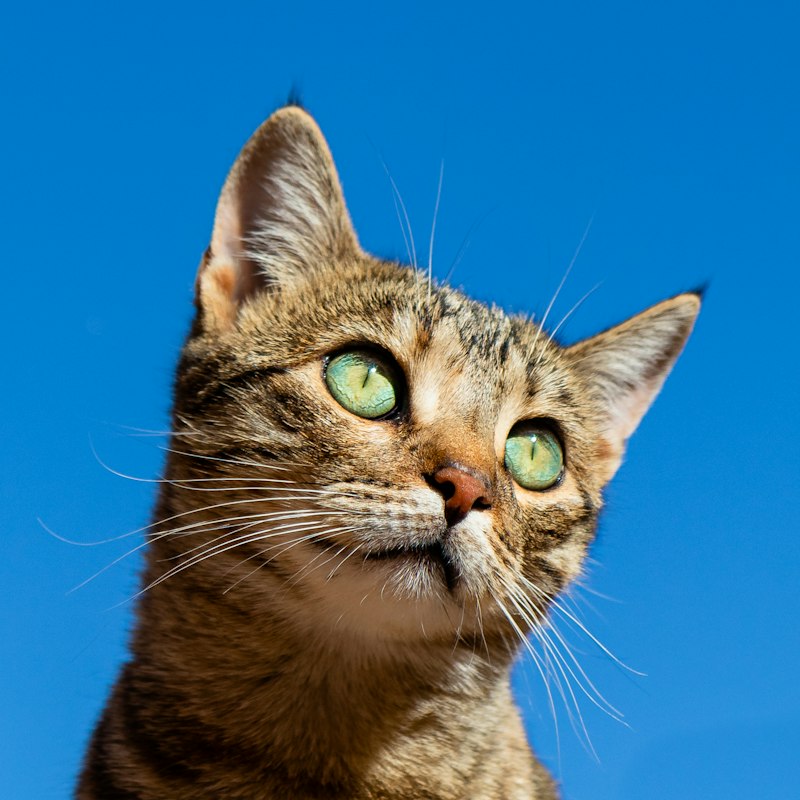
Veterinarian explains proper grooming techniques for cats. Learn how to brush, bathe, and maintain your cat's coat while minimizing stress for both you and your pet.
My first cat grooming disaster
Let me set the scene: It was a Saturday afternoon, and I had just bought a fancy new slicker brush for my long-haired cat, Luna. I'd watched a few YouTube videos and thought, "How hard can this be?" Spoiler alert: It was hard. Very hard.
I sat down on the couch, called Luna over, and started brushing her. At first, she seemed okay - she even purred a little. But then I hit a mat behind her ear, and all hell broke loose. She twisted away, scratched my arm, and bolted under the bed. I sat there, bleeding slightly, holding a brush covered in cat hair, and wondered what I was doing wrong.
The turning point
That night, I stayed up late researching cat grooming. I realized I'd made a classic mistake: I'd jumped right in without understanding how to make the experience positive for Luna. I decided to start over, slower and more carefully.
My new approach
First, I started by just sitting with the brush next to me while I pet Luna. I didn't try to brush her - I just let her get used to the brush being around. After a few days, I started brushing her for just 30 seconds at a time, right after she'd eaten a meal when she was most relaxed. I gave her treats the entire time.
Slowly but surely, Luna started to associate the brush with good things. After a few weeks, she'd even jump up on my lap when she saw me get the brush out.
The tools that actually work
I've tried a lot of grooming tools over the years, and let me tell you - not all of them are created equal. Here are the ones that have worked best for Luna and me:
Brushes and Combs
- Slicker Brush: This is still my go-to for removing loose hair, but I learned the hard way to be gentle around sensitive areas.
- Bristle Brush: Perfect for finishing touches - it makes Luna's coat look shiny and helps distribute natural oils.
- Stainless Steel Comb: Essential for detangling mats. Pro tip: if you hit a mat, don't pull! Try gently working it out with your fingers first, then use the comb.
- Flea Comb: A must-have, especially during flea season. Luna actually seems to enjoy this one because it's gentle.
Additional Tools
- Nail Clippers: I was terrified to trim Luna's nails at first, but I found a pair with a guard that prevents you from cutting too far. Game-changer.
- Ear Cleaner: I use a gentle, veterinarian-recommended cleaner. Luna still doesn't love having her ears cleaned, but she tolerates it better now.
- Toothbrush and Toothpaste: This was the hardest one. It took months to get Luna used to having her teeth brushed, but now she actually comes running when she sees the toothpaste (it's chicken-flavored).
My grooming routine now
These days, grooming Luna is one of my favorite times with her. Here's what our routine looks like:
- Start with treats: I always have a bag of Luna's favorite treats nearby.
- Brush in sections: I start at her head and work my way down, being extra careful around her belly and legs.
- Check for issues: While I brush, I look for any lumps, bumps, or fleas. This is how I caught a small skin infection early last year.
- Trim nails if needed: I trim her nails every 2-3 weeks. I only do one or two nails at a time to keep her from getting stressed.
- Clean ears if needed: I clean her ears once a month, but only if they look dirty.
- Brush teeth: I brush her teeth every other day. I start with just a finger and toothpaste, then move to the brush.
The biggest lesson I learned
The most important thing I learned about cat grooming is that it's not just about keeping your cat's coat looking nice - it's about bonding with your cat. When you take the time to groom your cat gently and patiently, you're telling them that you care about their well-being.
What to do if your cat hates grooming
If you're struggling with a cat who hates grooming, here's my advice:
- Start small: Even just a few seconds of brushing a day is better than nothing.
- Be consistent: Try to groom your cat at the same time every day so they know what to expect.
- Use positive reinforcement: Treats, praise, and affection go a long way.
- Don't force it: If your cat is really stressed, take a break and try again later.
- Ask for help: If you're really struggling, don't be afraid to ask your veterinarian or a professional groomer for advice.
When I still need professional help
Even though I'm pretty confident in my grooming skills now, there are still times when I need to take Luna to a professional groomer:
- When she gets mats that I can't safely remove (this happened once when I went on vacation and my roommate didn't brush her enough)
- When I need her nails trimmed and she's being extra stubborn
- When I just don't have the time to give her the thorough grooming she needs
Final thoughts
Grooming your cat can be frustrating at first, but it's so worth it. Not only will your cat look and feel better, but you'll strengthen your bond with them too.
If you're just starting out, don't be too hard on yourself. I made a lot of mistakes when I first started grooming Luna, but over time, we figured it out together. And now? She actually purrs through the entire grooming session.
Remember: every cat is different, so what works for Luna might not work for your cat. Be patient, be flexible, and most importantly, have fun with it!
Key Topics
Related Articles
Understanding Cat Stress Signals: A Veterinary Guide to Feline Anxiety
Veterinary behaviorist explains how to recognize and address feline stress. Learn the physical and behavioral signs of cat anxiety and evidence-based strategies to help your cat feel safe.
Feline Hydration Guide: Choosing the Best Water Fountain for Your Cat
Veterinary nutritionist explains the importance of proper hydration for cats. Learn how to select the right water fountain and encourage healthy drinking habits to prevent urinary issues.
Feline Urinary Health: Nutritional Strategies for UTI Prevention
Veterinary nutritionist explains the connection between diet and urinary health in cats. Learn how proper nutrition can prevent recurrent UTIs and support feline urinary tract health.