
My Exotic Pet Dietary Journey: Learning to Feed My Furry Friends Right
A personal story about my experience learning to meet the unique dietary needs of my exotic pets, including rabbits, guinea pigs, hamsters, and chinchillas.
Exotic Pet Dietary Needs
Exotic pets have unique nutritional requirements. Understanding these needs is essential for their health and well-being.
Rabbits
Core Diet
- Hay: 80% of diet (timothy, orchard, brome)
- Fresh vegetables: Daily (dark leafy greens, carrots, bell peppers)
- Pellets: Limited (1/4 cup per 5 lbs body weight)
- Fruits: Occasional treats (apples, berries, bananas)
Critical Nutrients
- Fiber: Essential for digestive health
- Vitamin C: Not required (rabbits produce their own)
- Calcium: Balanced levels to prevent urinary issues
Foods to Avoid
- Processed foods
- High-sugar treats
- Iceberg lettuce (low nutritional value)
- Grains and seeds (limited)
Guinea Pigs
Core Diet
- Hay: 80% of diet (timothy, meadow, oat)
- Fresh vegetables: Daily (dark leafy greens, bell peppers, cucumbers)
- Pellets: Fortified with vitamin C (1/8-1/4 cup per day)
- Fruits: Occasional treats (small amounts)
Critical Nutrients
- Vitamin C: Essential (10-30 mg per day, supplement if needed)
- Fiber: Digestive health
- Calcium: Balanced levels
Foods to Avoid
- Iceberg lettuce
- Sugary treats
- Seeds and nuts
- Processed foods
Hamsters
Core Diet
- Commercial pellets: Balanced diet (75% of food)
- Fresh vegetables: 2-3 times weekly (carrots, broccoli, cucumber)
- Fruits: Occasional treats (apples, berries)
- Protein: Weekly (cooked chicken, mealworms, boiled egg)
Critical Nutrients
- Protein: 18-20% for growing hamsters
- Fat: 4-5% of diet
- Fiber: 6-10% for digestive health
Foods to Avoid
- Chocolate
- Citrus fruits
- Onions and garlic
- Raw beans
Gerbils
Core Diet
- Commercial pellets: Balanced nutrition
- Seeds and grains: Supplementary
- Fresh vegetables: Weekly (carrots, broccoli, lettuce)
- Protein: Occasional (mealworms, boiled egg)
Critical Nutrients
- Protein: 16-18% of diet
- Fat: 4-5%
- Fiber: 5-8%
Foods to Avoid
- Sugary treats
- Citrus fruits
- Raw potatoes
- Rhubarb
Ferrets
Core Diet
- High-quality ferret food: High protein, moderate fat
- Raw or cooked meat: Chicken, turkey, beef (supplementary)
- Commercial treats: Specifically for ferrets
Critical Nutrients
- Protein: 32-38% (animal-based)
- Fat: 15-20%
- Carbohydrates: Low (ferrets have short digestive tracts)
Foods to Avoid
- Fruits and vegetables
- Grains
- Dairy products
- Sugar
Chinchillas
Core Diet
- Hay: 80% of diet (timothy, orchard)
- Chinchilla pellets: Limited (2-3 tablespoons daily)
- Dried herbs: Occasional treats
Critical Nutrients
- Fiber: 20-30% of diet
- Protein: 16-20%
- Fat: Less than 3%
Foods to Avoid
- Fresh fruits and vegetables (high water content)
- Nuts and seeds
- Sugary treats
- Processed foods
Nutrition Tips for All Exotic Pets
- Fresh water daily: Clean water in a sipper bottle or bowl
- Avoid sudden diet changes: Gradually introduce new foods
- Monitor weight: Regular weigh-ins to detect issues early
- Dental health: Provide chew toys to maintain healthy teeth
- Species-specific diets: Don't feed dog/cat food to exotic pets
- Veterinary guidance: Consult an exotic pet vet for dietary advice
Understanding and meeting your exotic pet's unique nutritional needs is one of the most important aspects of responsible pet ownership. Proper diet contributes to longevity, disease prevention, and overall well-being.
Related Guides

Managing Feline Stress and Anxiety: A Veterinary Behavior Guide
Veterinary behaviorist explains how to recognize and manage stress in cats. Learn about environmental enrichment, pheromone therapy, and behavior modification techniques for anxious felines.

Puppy Potty Training: A Step-by-Step Guide to Success
Certified dog trainer provides a comprehensive guide to potty training puppies. Learn about crate training, scheduling, positive reinforcement, and troubleshooting common house training issues.
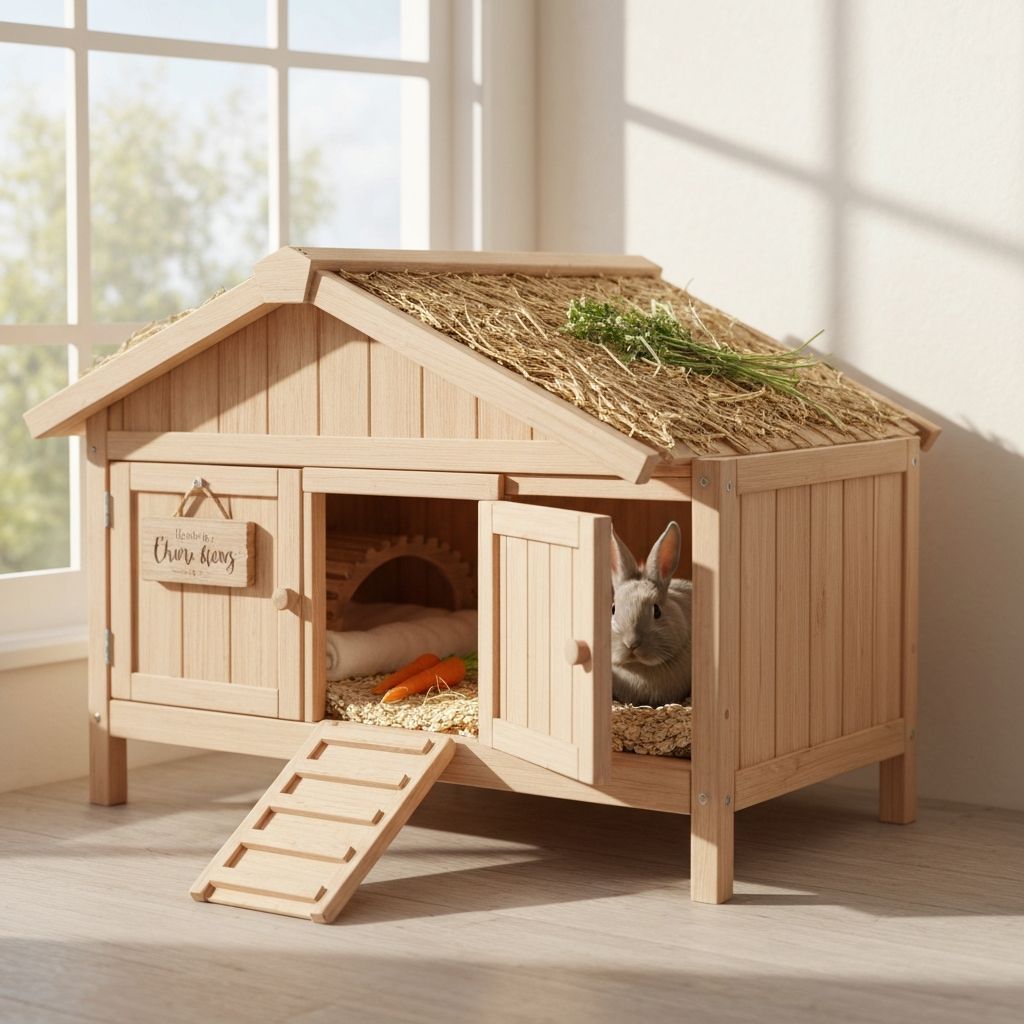
Exotic Pet Habitat Design: Creating Optimal Living Spaces
Exotic animal veterinarian explains how to design proper habitats for small mammals. Learn about space requirements, environmental enrichment, safety considerations, and species-specific needs.