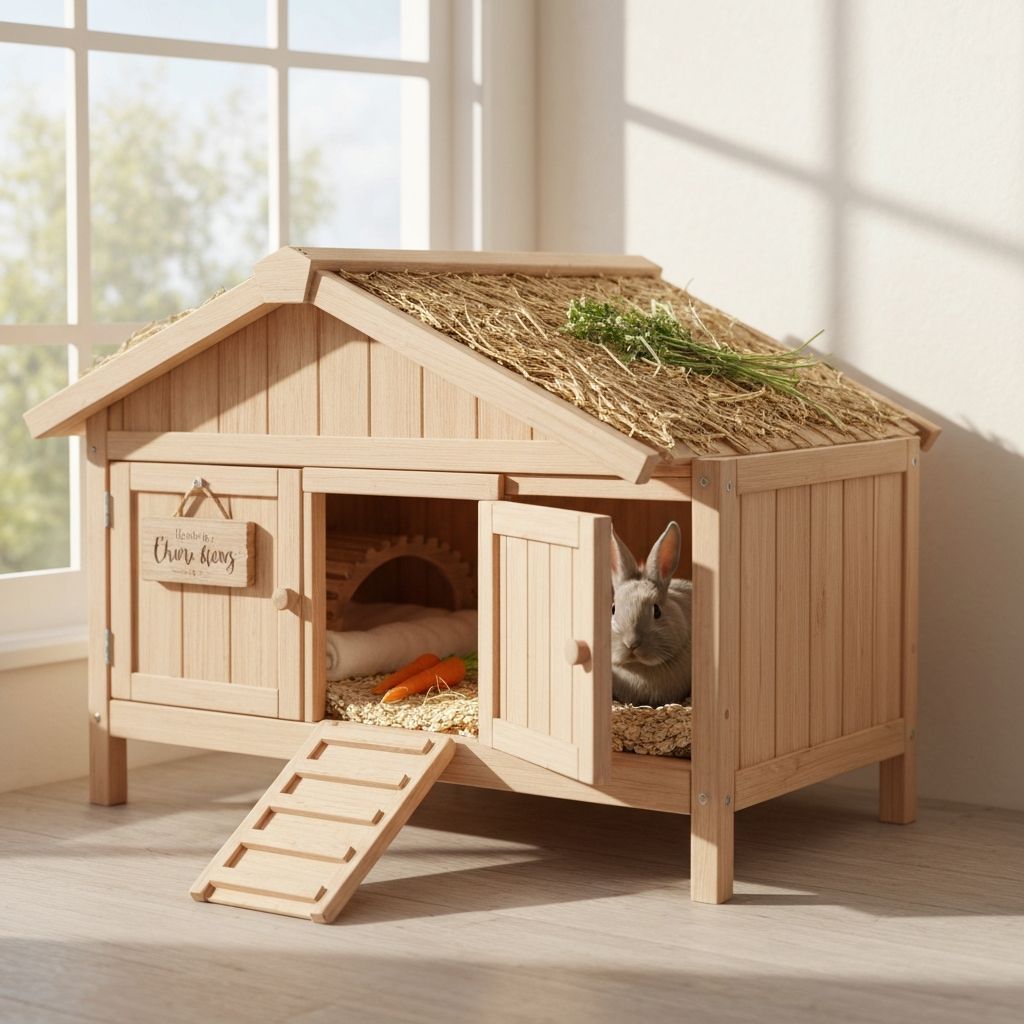
Exotic Pet Habitat Design: Creating Optimal Living Spaces
Exotic animal veterinarian explains how to design proper habitats for small mammals. Learn about space requirements, environmental enrichment, safety considerations, and species-specific needs.
Setting Up an Exotic Pet Room
Creating a dedicated space for exotic pets requires careful planning and attention to species-specific needs. A well-designed exotic pet room provides safety, enrichment, and comfort.
Room Preparation
Climate Control
- Temperature: Species-specific (usually 65-75°F)
- Humidity: 40-60% for most species
- Ventilation: Proper air circulation
- Lighting: 12-hour day/night cycle
Safety Measures
- Secure all cables and cords
- Toxic-proof the space
- Remove predators (other pets)
- Block escape routes
- Avoid direct sunlight
Flooring
- Easy-to-clean surfaces
- Non-slip materials
- Spill containment
- Quick drainage for water features
Species-Specific Setups
Rabbit Room
- Free-roaming space with barriers
- Multiple hiding spots
- Tunnels and enrichment
- Separate eating and toilet areas
Hamster/Gerbil Room
- Secure, escape-proof enclosures
- Elevated and protected cages
- Temperature-controlled zone
- Humidity monitoring
Reptile Room
- Appropriate heat sources
- UVB lighting systems
- Humidity control
- Specialized enclosures by species
Bird Room
- Large, open flight space
- Multiple perches and branches
- Windows for natural light
- Enclosed feeding areas
Essential Infrastructure
- Thermostat and temperature monitor
- Humidity gauge
- Proper ventilation system
- Dedicated storage for food and supplies
- First aid and emergency kit
- Record-keeping system
- Cleaning supplies (species-safe)
Enrichment Zones
Create areas for:
- Natural behaviors (burrowing, flying, climbing)
- Social interaction (if applicable)
- Exercise and movement
- Rest and security
Maintenance Schedule
- Daily: Temperature, humidity, water checks
- Weekly: Deep cleaning, food preparation
- Monthly: Equipment inspection, supply restocking
- Quarterly: System upgrades and maintenance
A well-designed exotic pet room provides the foundation for healthy, enriched pet lives!
Key Highlights
- ✓Control temperature and humidity precisely
- ✓Create species-specific habitat zones
- ✓Ensure proper ventilation
- ✓Provide enrichment opportunities
- ✓Maintain daily monitoring systems
Related Guides

Managing Feline Stress and Anxiety: A Veterinary Behavior Guide
Veterinary behaviorist explains how to recognize and manage stress in cats. Learn about environmental enrichment, pheromone therapy, and behavior modification techniques for anxious felines.
Puppy Potty Training: A Step-by-Step Guide to Success
Certified dog trainer provides a comprehensive guide to potty training puppies. Learn about crate training, scheduling, positive reinforcement, and troubleshooting common house training issues.

Clicker Training for Dogs: A Science-Based Positive Reinforcement Guide
Certified dog trainer explains the science behind clicker training. Learn how to use marker signals effectively, shape behaviors, and teach your dog using positive reinforcement methods.