
Clicker Training for Dogs: A Science-Based Positive Reinforcement Guide
Certified dog trainer explains the science behind clicker training. Learn how to use marker signals effectively, shape behaviors, and teach your dog using positive reinforcement methods.
Dog Training Clicker Method
The clicker method is a science-based training technique using positive reinforcement. It marks the exact moment your dog performs the desired behavior, making learning faster and more effective.
Understanding the Clicker Method
How It Works
- Dog performs desired behavior
- You click the clicker immediately
- Dog receives a reward (treat or praise)
- Dog learns: behavior → click → reward
Why It's Effective
- Precise timing marks correct behavior
- Dogs make clear associations
- Reduces confusion
- Builds confidence
- Creates enthusiastic learners
Essential Equipment
- Clicker (inexpensive training tool)
- High-value treats
- Leash and collar/harness
- Quiet training space
- Patient attitude
Charging the Clicker
Before using the clicker for training, "charge" it by:
- Click the clicker
- Immediately give a treat
- Repeat 20-30 times over several sessions
- Continue until your dog gets excited at the click sound
Basic Command Training
Teaching "Sit"
- Lure treat above nose
- Dog's head follows, rear drops
- Click and reward immediately
- Repeat 10 times per session
- Add verbal cue "Sit"
Teaching "Down"
- Start with dog in sit position
- Lure treat down to floor
- Dog lowers body
- Click and reward immediately
- Gradually shape into full down position
Teaching "Come"
- Start in enclosed space
- Run away from dog
- When dog follows, click and reward
- Gradually increase distance
- Add verbal cue "Come"
Training Tips
- Keep sessions short (5-10 minutes)
- Practice multiple times daily
- End on a success
- Use high-value treats
- Stay patient and positive
- Avoid punishment
- Practice in multiple locations
Advanced Applications
Once basic commands are mastered, use the clicker method for:
- Complex behavior chains
- Agility training
- Service dog tasks
- Behavior modification
Troubleshooting
Dog not responding:
- Use higher-value treats
- Ensure you're clicking at the right moment
- Reduce distractions
- Check for medical issues
Dog jumping/overexcited:
- Calm them before treats
- Use lower-value treats
- Take a break
- Practice in quieter space
The clicker method builds enthusiastic, confident learners who love training!
Key Highlights
- ✓Click marks the exact moment of success
- ✓Charge the clicker before training
- ✓Use immediate, valuable rewards
- ✓Keep sessions short and positive
- ✓Works for complex behaviors
Related Guides

Managing Feline Stress and Anxiety: A Veterinary Behavior Guide
Veterinary behaviorist explains how to recognize and manage stress in cats. Learn about environmental enrichment, pheromone therapy, and behavior modification techniques for anxious felines.

Puppy Potty Training: A Step-by-Step Guide to Success
Certified dog trainer provides a comprehensive guide to potty training puppies. Learn about crate training, scheduling, positive reinforcement, and troubleshooting common house training issues.
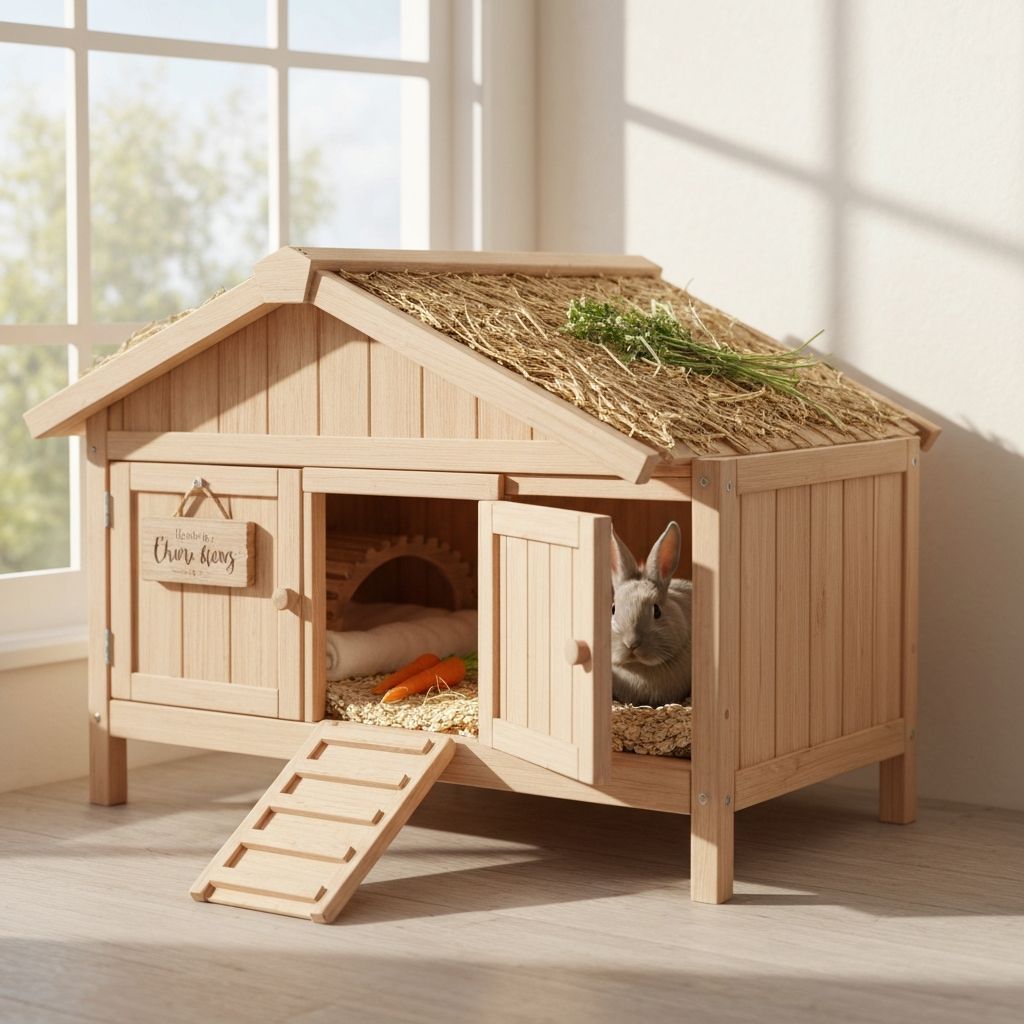
Exotic Pet Habitat Design: Creating Optimal Living Spaces
Exotic animal veterinarian explains how to design proper habitats for small mammals. Learn about space requirements, environmental enrichment, safety considerations, and species-specific needs.