
Managing Feline Stress and Anxiety: A Veterinary Behavior Guide
Veterinary behaviorist explains how to recognize and manage stress in cats. Learn about environmental enrichment, pheromone therapy, and behavior modification techniques for anxious felines.
How to Handle Cat Stress Responses
Cats are sensitive animals that communicate stress through subtle behavioral and physical changes. Learning to recognize and address these signs helps you create a calm, supportive environment for your feline companion.
Recognizing Stress Signs
Behavioral Indicators:
- Excessive hiding or withdrawing
- Loss of appetite or overeating
- Increased aggression or hissing
- Inappropriate elimination outside the litter box
- Excessive vocalization
- Over-grooming leading to hair loss
Physical Symptoms:
- Dilated pupils
- Flattened ears
- Crouched posture
- Trembling
- Excessive drooling
Immediate Calming Techniques
Create a Safe Space
Designate a quiet room where your cat can retreat. Include:
- A comfortable hiding spot
- Water and food bowls
- Litter box
- Familiar toys and blankets
Use Calming Products
- Feliway diffusers (synthetic pheromones)
- Calming treats with L-theanine
- Soft music designed for cats
Gentle Handling
- Slow, deliberate movements
- Soft, calm voice
- Minimal handling during stressful periods
Long-term Stress Management
Environmental Enrichment
- Vertical spaces (cat trees, shelves)
- Window perches for bird watching
- Interactive toys
- Regular play sessions
Routine Consistency
- Maintain consistent feeding times
- Keep litter box location stable
- Establish predictable daily routines
Professional Support
If stress persists, consult:
- Your veterinarian (rule out medical issues)
- A certified cat behaviorist
- Your veterinarian about anti-anxiety medication
When to Seek Help
Contact your vet immediately if your cat shows:
- Complete loss of appetite
- Inability to urinate or defecate
- Self-injurious behavior
- Extreme aggression
Remember, recovery from stress takes time. Some cats need weeks or months to fully adjust. Your patience and consistent support are crucial.
Key Highlights
- ✓Recognize subtle stress signals early
- ✓Create designated safe spaces immediately
- ✓Use proven calming techniques
- ✓Maintain environmental consistency
- ✓Seek professional help when needed
Related Guides

Puppy Potty Training: A Step-by-Step Guide to Success
Certified dog trainer provides a comprehensive guide to potty training puppies. Learn about crate training, scheduling, positive reinforcement, and troubleshooting common house training issues.
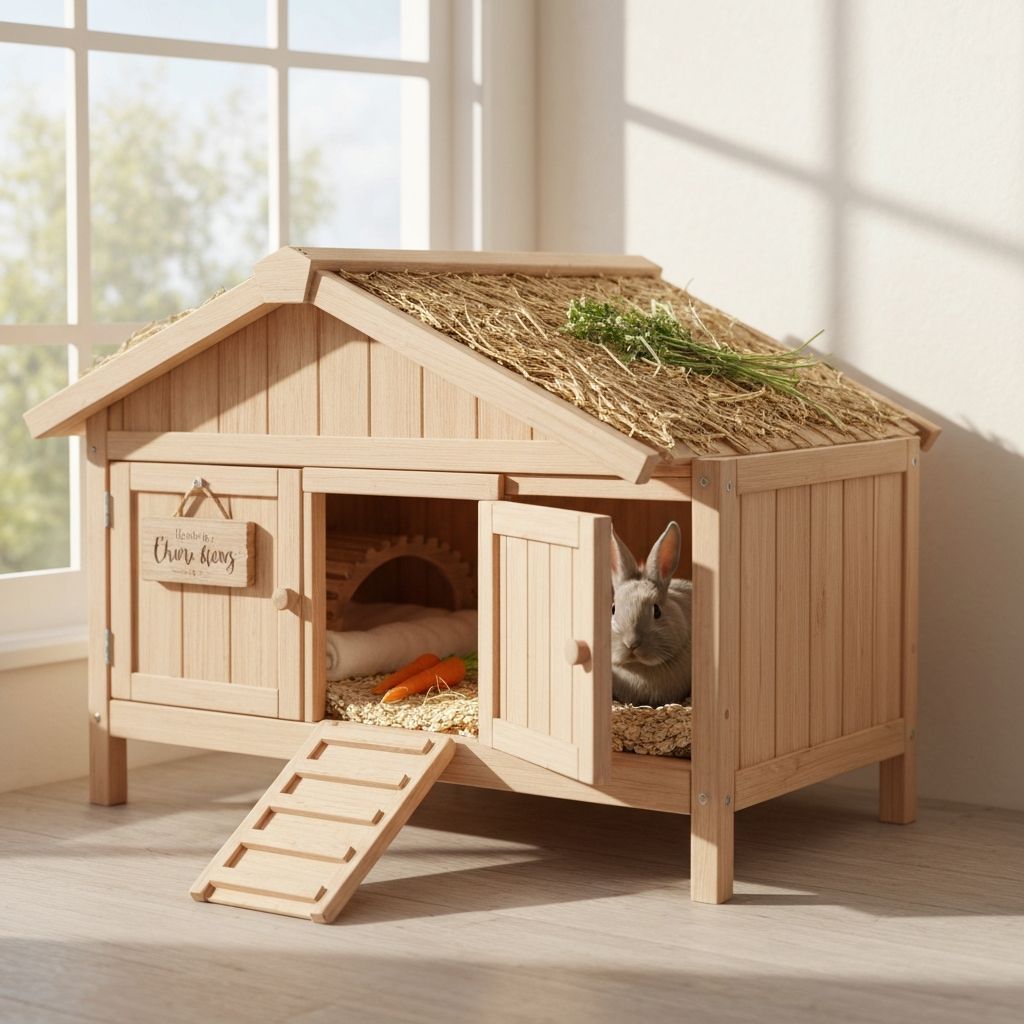
Exotic Pet Habitat Design: Creating Optimal Living Spaces
Exotic animal veterinarian explains how to design proper habitats for small mammals. Learn about space requirements, environmental enrichment, safety considerations, and species-specific needs.

Clicker Training for Dogs: A Science-Based Positive Reinforcement Guide
Certified dog trainer explains the science behind clicker training. Learn how to use marker signals effectively, shape behaviors, and teach your dog using positive reinforcement methods.