
My Journey to Understanding Pet Mental Health: How Enrichment Transformed My Pets' Lives
A personal story about my experience recognizing and addressing mental health issues in my pets, and how enrichment activities improved their well-being.
Pet Mental Health and Enrichment
Mental health is as important as physical health for your pet's overall well-being. Enrichment activities stimulate their minds and prevent behavioral issues.
Understanding Mental Health in Pets
Signs of Good Mental Health
- Playful behavior
- Appropriate response to stimuli
- Good appetite
- Regular sleeping patterns
- Positive social interactions
- Curiosity and exploration
Signs of Mental Health Issues
- Excessive vocalization
- Destructive behavior
- Changes in appetite or sleep
- Withdrawal or hiding
- Aggressive behavior
- Repetitive behaviors (pacing, licking)
- House soiling (in trained pets)
Environmental Enrichment
For Dogs
-
Sensory enrichment:
- Scent games (hide and seek with treats)
- New smells during walks
- Snuffle mats
-
Physical enrichment:
- Different walking routes
- Dog parks for socialization
- Agility equipment
-
Mental enrichment:
- Puzzle toys
- Obedience training
- Interactive play
- Nose work
For Cats
-
Sensory enrichment:
- Window perches for bird watching
- Cat grass
- New textures (cardboard, carpet)
-
Physical enrichment:
- Cat trees and shelves
- Play tunnels
- Interactive toys (feather wands)
-
Mental enrichment:
- Puzzle feeders
- Hunting games
- Rotating toys
- Hide and seek
For Small Animals (Rabbits, Guinea Pigs, Hamsters)
-
Sensory enrichment:
- Chew toys
- New bedding materials
- Safe plants to explore
-
Physical enrichment:
- Exercise wheels (appropriate size)
- Playpens for exploration
- Tunnels and hideouts
-
Mental enrichment:
- Foraging toys
- Treat-dispensing puzzles
- Novel objects to investigate
Social Enrichment
For Dogs
-
Positive interactions:
- Playdates with compatible dogs
- Dog park visits (if well-socialized)
- Training classes
- Community walks
-
Human interaction:
- Quality time with family
- New people introduction (positive experiences)
- Grooming sessions
For Cats
-
Socialization:
- Gradual introduction to new people/pets
- Positive reinforcement for social behavior
- Respect for personal space
-
Bonding activities:
- Gentle petting
- Interactive play
- Grooming (if tolerated)
Behavioral Enrichment
Training and Learning
- Obedience training: Builds confidence and provides mental stimulation
- Trick training: Fun way to challenge your pet mentally
- Clicker training: Precise timing for positive reinforcement
- Agility or rally: Physical and mental exercise
Food Enrichment
- Puzzle feeders: Slow feeding and mental stimulation
- Food dispensing toys: Encourages problem-solving
- Foraging opportunities: Scatter food in grass or enrichment boxes
- Interactive feeders: Requires effort to access food
Stress Reduction Techniques
Calming Environment
- Safe spaces: Designated area for retreat
- Consistent routine: Predictable schedule reduces anxiety
- Environmental modifications: Reduce noise, provide hiding spots
Relaxation Techniques
- Massage: Gentle strokes for relaxation
- Calming music: Species-specific relaxation music
- Pheromone diffusers: Synthetic calming pheromones
- Thunder shirts: Pressure wraps for anxiety
Natural Supplements
- Omega-3 fatty acids: Supports brain health
- CBD oil: Anxiety reduction (vet-approved)
- Calming herbs: Chamomile, valerian root (vet-prescribed)
Recognizing and Addressing Mental Health Issues
Common Mental Health Conditions
- Anxiety disorders: Separation anxiety, noise phobia
- Depression: Loss of interest, changes in behavior
- Compulsive disorders: Repetitive behaviors
- Fear-related disorders: Phobias, generalized fear
When to Seek Professional Help
- Persistent behavior changes
- Destructive or aggressive behavior
- Self-injurious behaviors
- Changes in appetite or sleep that last more than 24 hours
- Lack of interest in previously enjoyed activities
Professional Resources
- Veterinarian: Rule out medical issues first
- Certified animal behaviorist: Behavior modification plans
- Professional trainer: Positive reinforcement techniques
- Veterinary behaviorist: Medication management if needed
Creating a Balanced Life for Your Pet
- Daily routine: Consistent schedule for feeding, exercise, and play
- Variety: Mix up activities to prevent boredom
- Positive reinforcement: Reward desired behaviors
- Quality time: One-on-one interaction daily
- Environmental changes: Rotate toys, add new enrichment items
- Health care: Regular vet checkups, proper nutrition
A mentally stimulated pet is a happy, healthy pet. By incorporating these enrichment strategies into your daily routine, you can improve your pet's quality of life, strengthen your bond, and prevent behavioral issues.
Related Guides

Managing Feline Stress and Anxiety: A Veterinary Behavior Guide
Veterinary behaviorist explains how to recognize and manage stress in cats. Learn about environmental enrichment, pheromone therapy, and behavior modification techniques for anxious felines.

Puppy Potty Training: A Step-by-Step Guide to Success
Certified dog trainer provides a comprehensive guide to potty training puppies. Learn about crate training, scheduling, positive reinforcement, and troubleshooting common house training issues.
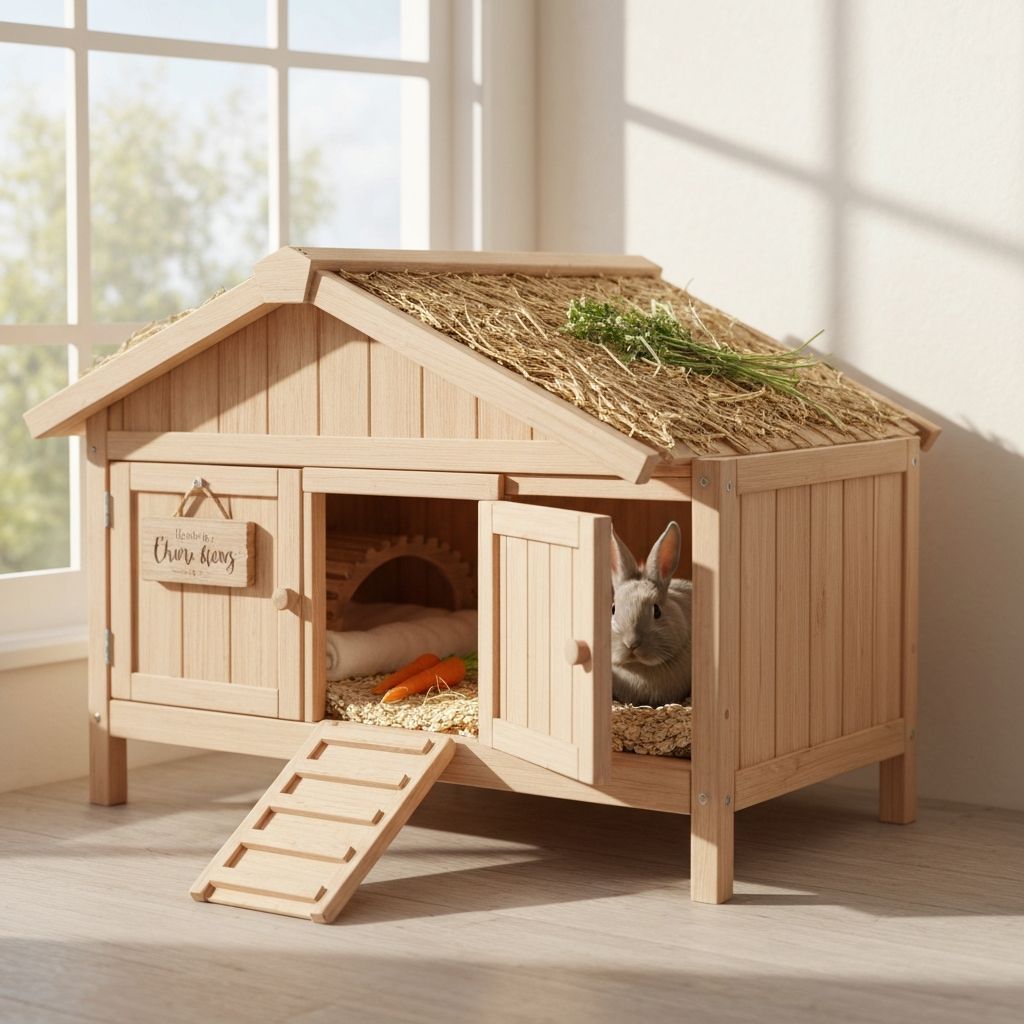
Exotic Pet Habitat Design: Creating Optimal Living Spaces
Exotic animal veterinarian explains how to design proper habitats for small mammals. Learn about space requirements, environmental enrichment, safety considerations, and species-specific needs.