Avian Nutrition Guide: Proper Diet for Cockatiels and Small Parrots
Written By
Exotic Animal Veterinarian
Medically Reviewed By
Exotic Animal Veterinarian
Sources
- [1]Association of Avian Veterinarians (AAV) Nutrition Guidelines
- [2]Journal of Avian Medicine and Surgery: Dietary Requirements of Psittacines
- [3]Lafeber Veterinary Nutrition Handbook for Avian Species
Key Takeaways
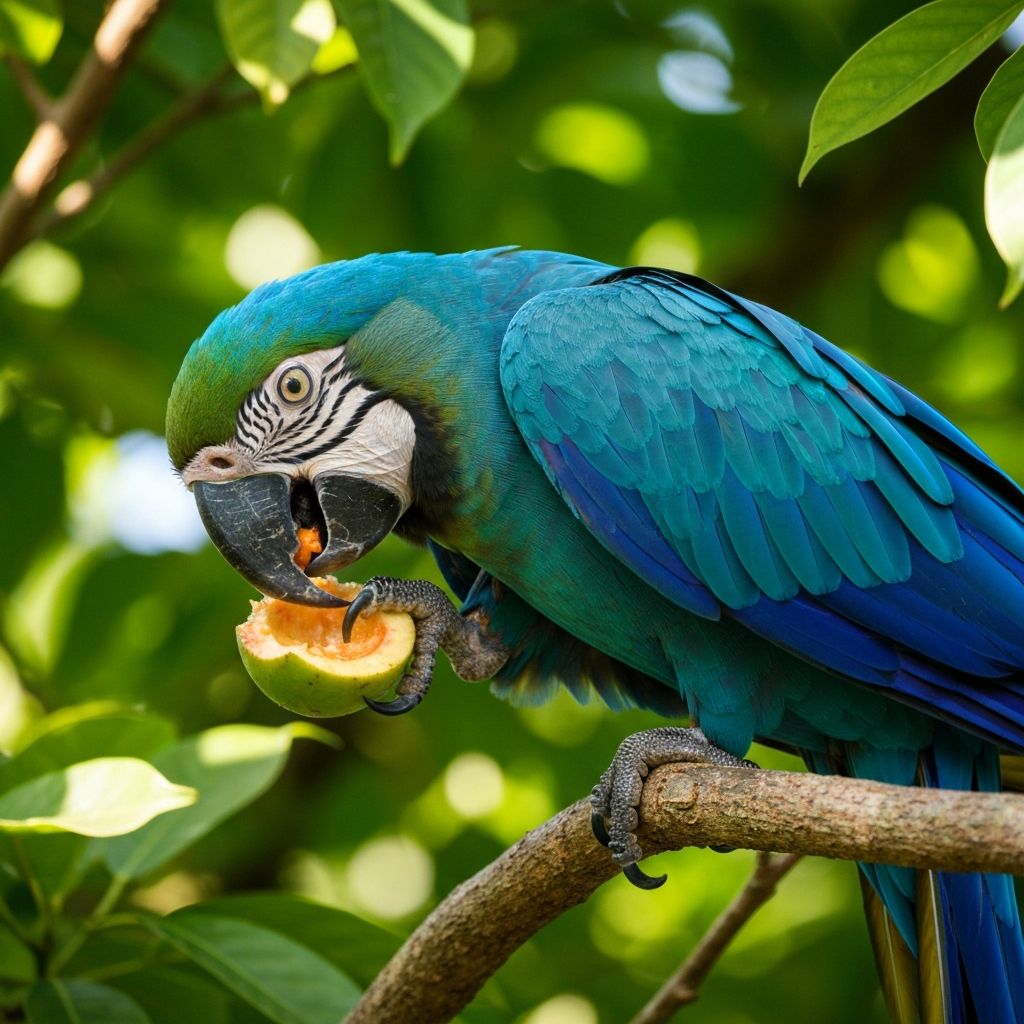
Exotic animal veterinarian explains essential nutritional requirements for cockatiels. Learn how to create a balanced diet that supports feather health, immune function, and longevity.
The day Charlie stopped singing
I'll never forget the day I realized something was wrong with my cockatiel, Charlie. For years, he'd greeted me every morning with a cheerful song, but suddenly he was quiet.
At first, I thought he was just having an off day. But then I noticed his feathers were looking ragged, and he was spending more time sleeping than usual.
The vet visit that changed everything
I took Charlie to the vet, and after examining him, the vet asked, "What do you feed him?"
"Just birdseed," I said. "The pet store said it was all he needed."
The vet shook his head. "Birdseed alone is like feeding a child nothing but candy. It's high in fat and lacks essential nutrients. Charlie has a vitamin A deficiency, which is why he's losing feathers and not singing."
I was shocked. I had no idea birdseed wasn't enough. I thought I was taking good care of him.
The diet revolution begins
That day, I went home and started researching bird nutrition. I learned that birds need a balanced diet of pellets, vegetables, fruits, and occasional treats.
So I bought a bag of high-quality pellets and started the transition process. At first, Charlie refused to eat them. He'd pick through the food dish, eating only the seeds and leaving the pellets untouched.
But I persisted. I gradually reduced the amount of seed and increased the amount of pellets. After a few weeks, he started eating the pellets.
The vegetable adventure
Next, I introduced fresh vegetables. I started with leafy greens like kale and spinach, but Charlie turned his beak up at them.
I tried different vegetables - carrots, bell peppers, broccoli. Nothing worked.
Then I remembered something I'd read: birds are more likely to eat vegetables if they see their owners eating them first.
So I started eating vegetables in front of Charlie, making a big show of how delicious they were. Sure enough, after a few days, he started nibbling on the vegetables I offered him.
The fruit dilemma
I also learned that fruits should be given in moderation because of their high sugar content. Charlie loved apples and berries, but I had to be careful not to overfeed him.
The treats that work
Instead of giving Charlie sunflower seeds as treats (which are high in fat), I started giving him small pieces of cooked chicken and hard-boiled eggs. He went crazy for them!
The transformation
After a few months of his new diet, I started noticing changes in Charlie:
- His feathers started growing back, and they were shinier than ever.
- He started singing again - even louder and more enthusiastically than before.
- He had more energy and was more playful.
I couldn't believe the difference better nutrition made.
What I wish someone had told me about bird nutrition
-
Birdseed isn't enough: Birds need a balanced diet of pellets, vegetables, fruits, and occasional protein.
-
Vitamin A is crucial: Many birds develop vitamin A deficiencies from seed-only diets, which can lead to serious health problems.
-
Transitioning takes time: Birds don't like change, so it can take weeks to transition them to a new diet.
-
Variety is key: Birds need different foods to get all the nutrients they need.
-
Some foods are toxic: Avocado, chocolate, and salt are poisonous to birds.
My favorite bird-friendly foods
- Pellets: I use a high-quality pellet without artificial colors or preservatives
- Vegetables: Charlie loves bell peppers, broccoli, and spinach
- Fruits: Apples (without seeds) and blueberries are his favorites
- Protein: Cooked chicken and hard-boiled eggs
- Treats: Millet sprays and occasional unsalted nuts
The biggest lesson I learned
Charlie taught me that proper nutrition is the foundation of good health for birds. I had no idea how much his diet was affecting his behavior and well-being until he got sick.
Now, I'm passionate about educating other bird owners about proper nutrition. I even started a Facebook group for bird owners in my area, where we share tips and recipes.
The happy ending
Today, Charlie is a happy, healthy bird. He sings every morning, and his feathers are beautiful and shiny.
I'm so grateful I learned about proper bird nutrition before it was too late. It saved Charlie's life, and it made our bond even stronger.
If you have a bird, take a look at their diet. Are they getting all the nutrients they need? Remember, a healthy bird is a happy bird.
The information provided in this article is for educational purposes only and is not intended as a substitute for professional veterinary advice, diagnosis, or treatment.
Always seek the advice of your veterinarian or other qualified animal health provider with any questions you may have regarding a medical condition or treatment for your pet. Never disregard professional veterinary advice or delay in seeking it because of something you have read on this website.
If you think your pet may have a medical emergency, call your veterinarian or an emergency animal hospital immediately.
Key Topics
Related Articles
Complete Hamster Care Guide: Habitat, Diet, and Health Essentials
Exotic animal veterinarian shares expert guidance on hamster care. Learn about proper cage size, safe bedding, balanced nutrition, and how to keep your hamster healthy and happy.
African Grey Parrot Training: Expert Techniques for Vocal Learning and Bonding
Avian behavior specialist shares evidence-based parrot training methods. Learn how to teach your African Grey vocalizations and build trust through positive reinforcement techniques.
Rabbit Housing and Enrichment: A Veterinary Guide to Optimal Environment
Exotic animal veterinarian explains proper rabbit housing requirements. Learn how to create an enriching environment that promotes physical health and psychological wellbeing for your bunny.