African Grey Parrot Training: Expert Techniques for Vocal Learning and Bonding
Written By

Exotic Animal Veterinarian
Medically Reviewed By
Exotic Animal Veterinarian
Sources
- [1]Association of Avian Veterinarians (AAV) Behavior Guidelines
- [2]Journal of Avian Medicine and Surgery: Learning and Cognition in Parrots
- [3]International Association of Animal Behavior Consultants (IAABC) Parrot Training Standards
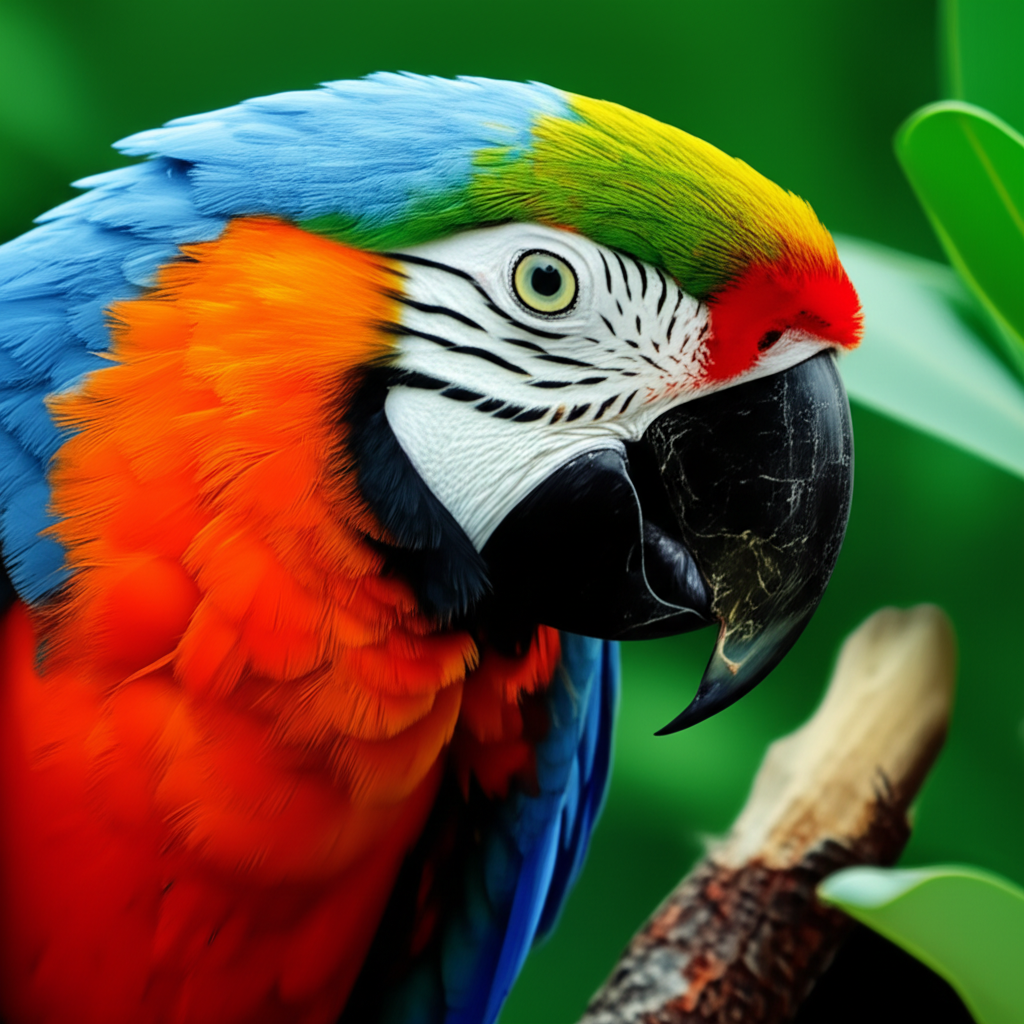
Key Takeaways
Avian behavior specialist shares evidence-based parrot training methods. Learn how to teach your African Grey vocalizations and build trust through positive reinforcement techniques.
Let me set the scene: Kiki was not interested in training.
When I brought home Kiki, my 2-year-old African Grey parrot, I was determined to turn her into a "well-trained" bird. I bought all the books, watched all the YouTube videos, and followed every expert's advice to the letter.
For three months, I tried to teach her to "step up" - the basic command every parrot owner is supposed to master first. Every day, I'd hold my hand out, say "Step up" in a calm voice, and wait.
And every day, Kiki would stare at me like I was speaking a foreign language (which, I guess, I was) and then turn her back to me.
The day I realized I was doing it all wrong
I was sitting on the floor next to her cage, feeling defeated, when Kiki did something unexpected. She leaned over, picked up a sunflower seed with her beak, and held it out to me.
Wait, that's what I'd been doing with treats! She was trying to train me!
That moment was a game-changer. I realized I'd been treating Kiki like a project to complete, not like a sentient being with her own personality and preferences.
The first breakthrough: teaching Kiki on her terms
Instead of forcing "step up" on her, I started paying attention to what Kiki actually enjoyed.
What Kiki loved (and what she hated)
- Loved: Sunflower seeds, head scratches, and listening to classical music
- Hated: Being told what to do, having my hand near her feet, and training sessions longer than 2 minutes
So I switched tactics. Instead of trying to teach her commands, I started playing games with her that naturally built the behaviors I wanted.
How we finally mastered "step up"
Instead of holding my hand out and waiting, I started sitting next to her perch and offering a sunflower seed on my palm. When she leaned over to get it, I'd say "Step up" in a happy voice.
It took two weeks of this before she finally put one foot on my hand to reach the seed. I was so excited I almost dropped her!
Now, months later, she steps up willingly - but only when she feels like it. And that's okay! I've learned that respect goes both ways in parrot training.
The surprising journey to teaching her to whistle
After we mastered "step up," I decided to try teaching Kiki to whistle. African Greys are known for their vocal abilities, but Kiki seemed uninterested.
The mistake I made with whistling
At first, I tried playing recordings of whistles and rewarding her when she mimicked them. Nothing. Then I tried whistling myself for hours. Still nothing.
Then one day, I was cooking dinner and absentmindedly whistling the Star Spangled Banner. Out of the corner of my eye, I saw Kiki tilt her head and listen.
The next morning, she let out a tiny, off-key version of the first few notes. I nearly fell over backwards in surprise!
What worked for Kiki (and might work for your parrot too)
- Context matters: Kiki only started whistling when she heard it in a natural, relaxed setting
- Patience is everything: It took 6 months for her to learn the full song
- Reward the effort: I praised her for even the tiniest attempts
- Make it fun: I'd whistle along with her, even when she messed up
Now, Kiki whistles the Star Spangled Banner every morning at sunrise. It's not perfect - she always skips the same two notes - but it's completely hers.
The biggest challenges we faced (and how we overcame them)
Challenge #1: Biting
Kiki went through a phase where she'd bite my hand every time I tried to train her. At first, I'd pull back and get frustrated, which only made it worse.
What worked: I started noticing her body language. When her eyes pin and her feathers ruffle, that's her way of saying "back off." Now I respect those signals, and the biting has almost stopped entirely.
Challenge #2: Plateaus
There were weeks where Kiki seemed to forget everything she'd learned. I'd get so discouraged I'd want to quit.
What worked: Taking a break. Sometimes we'd go a week without any formal training, just hanging out and having fun. When we came back to it, she'd usually pick up right where we left off.
Challenge #3: Distractions
Kiki is easily distracted - a bird outside the window, a noise from the street, even a crumpled piece of paper can derail our entire session.
What worked: Training at the right time. Early morning, before the house gets busy, is when she's most focused.
What I wish someone had told me about parrot training
-
Every parrot is different: What works for one bird won't work for another. Kiki hates clicker training, but loves verbal praise.
-
It's not about dominance: Parrots don't respond to "alpha" tactics. They respond to respect and positive reinforcement.
-
Progress is rarely linear: Your parrot might learn something in a day, then forget it for a week. That's normal!
-
The bond is more important than the tricks: I care more about Kiki feeling safe and happy than I do about her learning new commands.
-
You'll learn as much as your parrot: Training Kiki has taught me patience, observation, and how to communicate without words.
My favorite training moments with Kiki
- The first time she flew to me on command (after 3 months of practice!)
- When she started whistling along to my morning coffee routine
- The day she learned to say "I love you" - not because I taught her, but because she heard me say it to her so often
Advice for new parrot owners
If you're just starting out with parrot training, here's what I'd tell you:
- Start small: Focus on building trust before you try to teach commands
- Follow their lead: Pay attention to what your parrot enjoys and build training around that
- Be consistent, but flexible: Use the same cues, but be willing to adjust your approach
- Celebrate the small wins: Every tiny step forward is a victory
- Have fun: Training should be enjoyable for both you and your parrot
Remember, parrot training isn't about creating a perfect performer. It's about building a deeper connection with your feathered friend - and that's a journey, not a destination.
Kiki and I still have bad days, where she refuses to do anything I ask. But we also have amazing days, where she surprises me with something new she's learned on her own.
And that's the magic of it, right?
Key Topics
Related Articles
Complete Hamster Care Guide: Habitat, Diet, and Health Essentials
Exotic animal veterinarian shares expert guidance on hamster care. Learn about proper cage size, safe bedding, balanced nutrition, and how to keep your hamster healthy and happy.
Rabbit Housing and Enrichment: A Veterinary Guide to Optimal Environment
Exotic animal veterinarian explains proper rabbit housing requirements. Learn how to create an enriching environment that promotes physical health and psychological wellbeing for your bunny.
Avian Nutrition Guide: Proper Diet for Cockatiels and Small Parrots
Exotic animal veterinarian explains essential nutritional requirements for cockatiels. Learn how to create a balanced diet that supports feather health, immune function, and longevity.