Puppy Socialization: Building Confidence in Your Young Dog
Written By
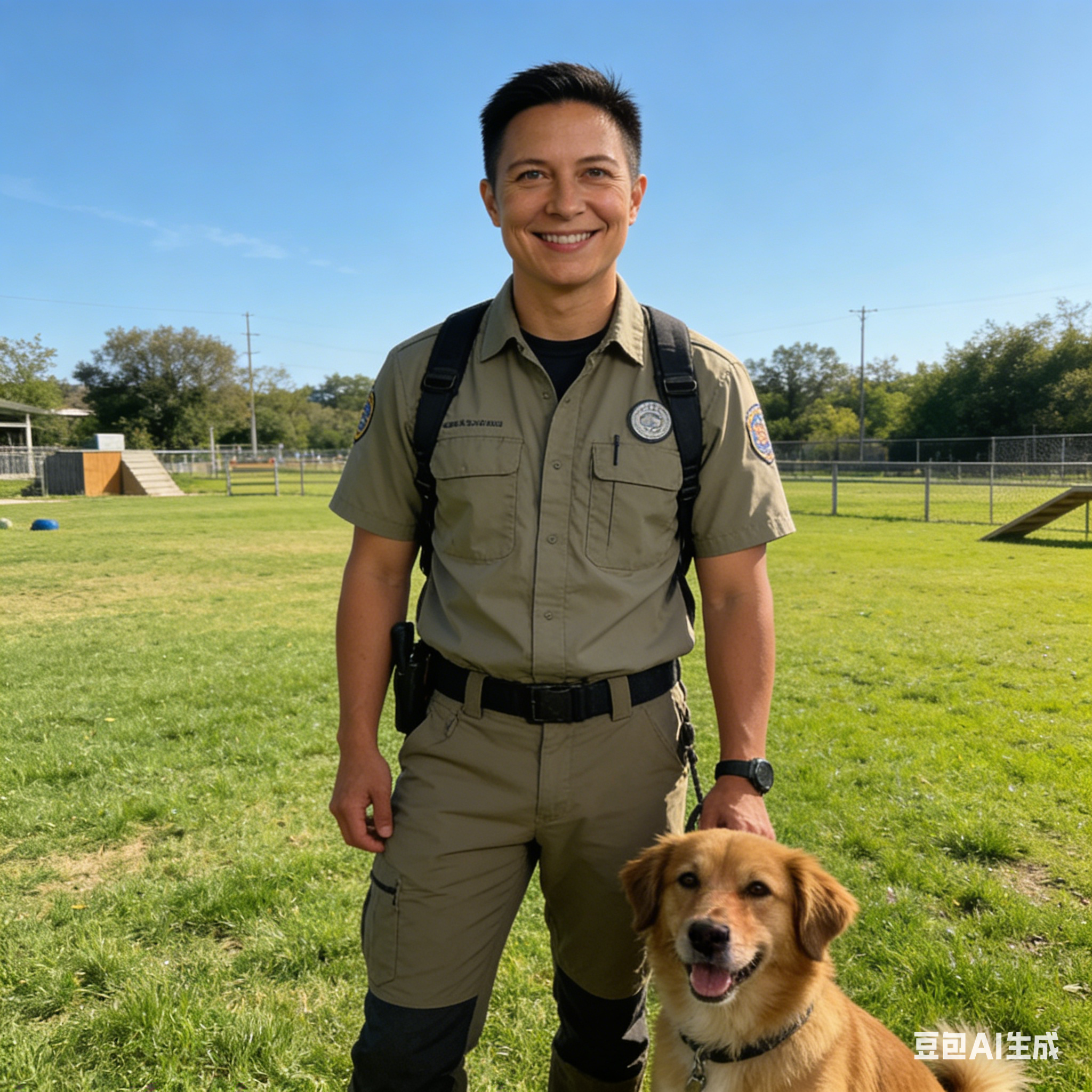
Certified Professional Dog Trainer
Medically Reviewed By

Veterinarian & Animal Behaviorist
Sources
- [1]American Veterinary Society of Animal Behavior (AVSAB) Socialization Guidelines
- [2]Journal of Veterinary Behavior: Puppy Development and Socialization
- [3]Certification Council for Professional Dog Trainers (CCPDT) Socialization Standards

Key Takeaways
Certified dog trainer provides a comprehensive guide to puppy socialization. Learn about critical socialization periods, safe exposure techniques, and building confidence in young dogs.
My Puppy's Socialization Journey: Lessons Learned the Hard Way
I'll never forget the day I brought Bella home. She was a 10-week-old rescue puppy, a mix of Labrador and something else, with big brown eyes and a timid demeanor. I knew I needed to socialize her, but I had no idea where to start.
Looking back, I made a lot of mistakes during Bella's socialization period. But those mistakes taught me valuable lessons that helped her become the confident, well-adjusted dog she is today. Here's my story.
The Early Days: Missed Opportunities
When I first brought Bella home, I was so focused on keeping her safe that I didn't expose her to enough new experiences. I thought she was just shy, but I later learned that she was missing the critical socialization period.
The Vet Visit Disaster
One of my biggest mistakes was waiting too long to take Bella to the vet. When I finally took her at 14 weeks, she was terrified. The unfamiliar smells, sounds, and handling overwhelmed her, and she spent the entire visit shaking and whimpering.
I realized then that I should have started with short, positive visits to the vet just for treats and praise, not just for vaccinations.
The Overwhelming Dog Park Experience
Another mistake was taking Bella to a busy dog park too soon. She was intimidated by the bigger dogs, and one overly enthusiastic dog scared her so much that she refused to go near the park for months.
I learned that controlled play dates with other friendly, vaccinated puppies would have been a better start.
The Turning Point: Learning to Do It Right
After those setbacks, I decided to educate myself about puppy socialization. I read books, watched videos, and even took a puppy socialization class. Slowly but surely, I started to turn things around.
Starting Small
I began with small, controlled socialization experiences:
-
Short walks around the neighborhood: I took Bella on short walks around the block, gradually introducing her to different people, animals, and environments.
-
Controlled play dates: I arranged play dates with other friendly, vaccinated puppies close to her age.
-
Positive vet visits: I started taking Bella to the vet just for treats and praise, not just for appointments.
Reading Bella's Body Language
I also learned to read Bella's body language, which helped me understand when she was comfortable and when she was stressed:
-
Signs of comfort: Loose body posture, wagging tail, playful behavior, curious exploration
-
Signs of stress: Cowering or hiding, tail tucked between legs, ears flattened back, panting excessively, whimpering
When Bella showed signs of stress, I would remove her from the situation calmly and try again later in a more controlled way.
Bella's Progress: From Timid to Confident
Over time, Bella started to gain confidence. She went from hiding behind my legs to approaching new people and dogs with curiosity.
The Breakthrough Moment
The breakthrough came when we visited a pet-friendly store. Bella was hesitant at first, but with patience and treats, she eventually started exploring the store and even approached a few people for pets.
It was a small victory, but it felt like a big one. I realized that slow, consistent socialization was paying off.
The Benefits of Proper Socialization
Today, Bella is a confident, well-adjusted 2-year-old dog. She loves meeting new people, playing with other dogs, and exploring new environments.
The benefits of proper socialization have been clear:
- Reduced fear and anxiety: Bella is calm in new situations
- Confidence: She approaches new experiences with curiosity, not fear
- Better bonding: Our bond has strengthened through positive socialization experiences
- Adaptability: She handles changes in routine and environment well
Tips for Other Puppy Owners
If you're struggling with puppy socialization, here are a few tips that helped me:
-
Start early: Don't wait until your puppy is 16 weeks old to start socialization
-
Go slow: Expose your puppy to new experiences gradually, one at a time
-
Use positive reinforcement: Reward good behavior with treats, praise, and play
-
Read their body language: Learn to recognize when your puppy is stressed and needs a break
-
Be consistent: Make socialization a regular part of your puppy's routine
-
Don't force it: If your puppy is scared, back off and try again later
-
Seek help if needed: Consider a puppy socialization class or consult with a professional trainer
Socialization Beyond the Puppy Stage
Remember, socialization is a lifelong process. Even after the critical period, it's important to continue exposing your dog to new experiences.
Bella is now 2 years old, and I still make an effort to socialize her regularly. We visit new places, meet new people, and try new activities together.
Final Thoughts
Socializing a puppy is hard work, and it's okay to make mistakes. What matters is that you learn from them and keep trying.
Bella's journey from a timid rescue puppy to a confident, well-adjusted dog hasn't always been easy, but it's been incredibly rewarding. By investing time and effort into proper socialization, you can set your puppy up for a lifetime of happiness and success.
Remember, every puppy is different, and what works for one might not work for another. Be patient, be consistent, and most importantly, have fun with your puppy!
Key Topics
Related Articles

Expert Guide to Puppy Potty Training: Evidence-Based Methods That Work
Certified dog trainer shares proven puppy toilet training techniques backed by animal behavior science. Learn observation-based scheduling and positive reinforcement strategies.

Large Breed Puppy Nutrition: Preventing Developmental Orthopedic Disease
Veterinary nutrition specialist explains the critical nutritional needs of large and giant breed puppies. Learn how proper diet can prevent hip dysplasia and other orthopedic conditions.

Canine Separation Anxiety: Evidence-Based Treatment Strategies
Veterinary behaviorist explains the science behind separation anxiety in dogs. Learn proven techniques including desensitization, counterconditioning, and environmental management to help your dog feel secure.