Expert Guide to Puppy Potty Training: Evidence-Based Methods That Work
Written By
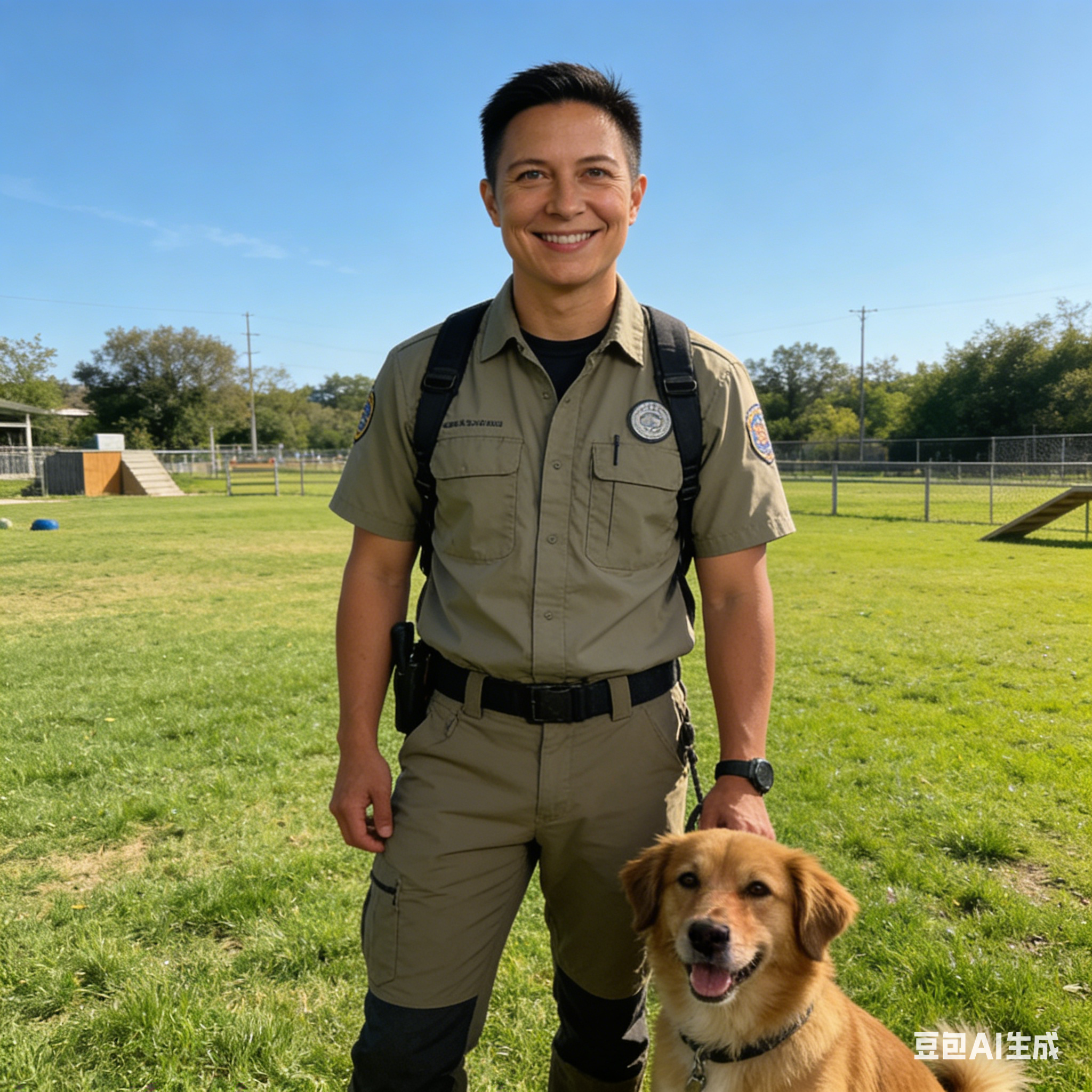
Certified Professional Dog Trainer
Medically Reviewed By

Veterinarian & Animal Behaviorist
Sources
- [1]American Veterinary Society of Animal Behavior (AVSAB) Position Statement on Puppy Socialization
- [2]Journal of Veterinary Behavior: Clinical Applications and Research
- [3]Certification Council for Professional Dog Trainers (CCPDT) Guidelines

Key Takeaways
Certified dog trainer shares proven puppy toilet training techniques backed by animal behavior science. Learn observation-based scheduling and positive reinforcement strategies.
Let me start with the truth: I was ready to give up.
It was 2 a.m., I'd just stepped in yet another puddle on the living room carpet, and my 12-week-old golden retriever puppy was staring at me like he had no idea what he'd done wrong. I'd read all the books, watched all the YouTube videos, and followed every "expert" tip to a T. But nothing was working.
That's when I realized something important: all those step-by-step guides were missing the human element. They didn't talk about the frustration, the sleep deprivation, or the fact that every puppy is different.
So I decided to throw the rulebook out the window and start from scratch. Here's what I learned through trial, error, and a lot of carpet cleaner.
First, let's talk about what actually matters
You know all those charts that say puppies can hold it "1 hour per month of age"? Yeah, that's a guideline, not a hard rule. My golden, Max, could barely make it 20 minutes after eating when he was 3 months old. I spent weeks beating myself up, thinking I was doing something wrong, until I realized he just had a tiny bladder and a big appetite.
The key? Observation. Not following some arbitrary schedule, but watching your puppy's cues. Does he start sniffing the floor? Circling? Whining a little? That's your cue - not the clock.
My biggest mistake: relying on the clock instead of my puppy
I remember the day it clicked. I'd been taking Max out every hour on the dot, just like the books said. But he'd usually just sniff around and come back in, only to pee on the floor 15 minutes later. I was so focused on the schedule that I wasn't paying attention to when he actually needed to go.
So I started keeping a journal. Every time he ate, drank, played, napped - and most importantly, every time he had an accident or went outside successfully. After a week, I started to see patterns I'd completely missed.
The routine that finally worked (for us)
Now, this isn't a one-size-fits-all solution. But here's what ended up working for Max and me:
- Morning routine: As soon as he woke up (usually around 6 a.m.), we'd head straight outside - no stopping for breakfast first. I'd stand in the same spot every time (more on that later) and wait. Sometimes it took 10 minutes, but eventually he'd go.
- After meals: I noticed he almost always needed to go within 20 minutes of eating, not 30 like the books said. So I'd set a timer for 15 minutes after he finished his food, then take him out.
- Playtime breaks: If we were playing fetch or tug-of-war and he suddenly stopped to sniff the floor? That's when I'd scoop him up and head outside.
- Before bed: Last thing at night, around 10 p.m., we'd do one final trip outside. And yes, I'd stand there in my pajamas in the cold if I had to.
The magic of the "potty spot"
This is something the books do mention, but I didn't realize how important it was until I tried it. I picked a specific corner of the yard - not too close to the house, not too far - and took him there every single time. At first, he'd just look at me like I was crazy. But after a week or so, he started associating that spot with going to the bathroom.
Pro tip: If you have a small yard (or no yard), pick a specific spot on your balcony or even a specific pee pad location. Consistency is key here.
Positive reinforcement: More than just treats
I used to just give Max a cookie when he went outside. But then I noticed something - he started going outside just to get the treat, even if he didn't actually need to go. That's when I switched it up.
Now, when he went potty in the right spot, I'd get super excited. Like, over-the-top excited. I'd clap my hands, say "GOOD BOY!" in a high-pitched voice, and give him his favorite treat (cheese, in case you're wondering). The combination of verbal praise and a reward made a huge difference.
And here's the thing: I didn't just reward him for going outside. I rewarded him for the act itself. As soon as he finished, I'd start the celebration - not after we went back inside.
The accident that changed everything
About 6 weeks in, I came home from work to find Max had peed on my brand new rug. I was furious - I'd followed all the rules, and he still had an accident.
But then I stopped and thought: what had changed that day? Oh right, I'd left work an hour later than usual, so his afternoon potty break was delayed. He wasn't being naughty - he just couldn't hold it.
That's when I realized accidents aren't failures. They're feedback. Every accident tells you something: maybe the schedule needs adjusting, maybe they need more frequent breaks, maybe they're stressed or sick.
What to do when accidents happen (because they will)
Let's get real: you're going to step in pee. You're going to find poop in places you never thought possible. It's part of the process.
When it happens:
- Don't punish them. I know it's tempting, but yelling or scolding just makes them scared. Max used to hide from me after accidents until I stopped reacting negatively.
- Clean it properly. Regular carpet cleaner won't cut it - you need enzymatic cleaner to get rid of the smell. If they can still smell their pee, they'll go back to the same spot.
- Adjust your routine. If you're having multiple accidents a day, it probably means your puppy needs more frequent breaks. No shame in that - every puppy is different.
The light at the end of the tunnel
It took about 3 months total, but by the time Max was 6 months old, he was reliably going outside. I still had the occasional accident (usually when we had a busy day and the routine got thrown off), but they became few and far between.
The biggest lesson? Patience. Puppy potty training isn't a sprint - it's a marathon. Some days will be great, some days will be terrible, but it does get better.
A few final thoughts from someone who's been there
- Crate training helps, but don't overdo it. Max loved his crate, but I never left him in there for more than a few hours at a time.
- Invest in good carpet cleaner. Trust me, you'll thank yourself later.
- Ask for help if you need it. I was embarrassed to admit I was struggling, but talking to a friend who'd gone through the same thing made all the difference.
- Celebrate the small wins. The first time Max went outside without prompting? I cried. Literally cried.
Remember, you're not alone in this. Every puppy owner has been where you are right now. And someday, you'll look back and laugh about all the accidents - I promise.
The information provided in this article is for educational purposes only and is not intended as a substitute for professional veterinary advice, diagnosis, or treatment.
Always seek the advice of your veterinarian or other qualified animal health provider with any questions you may have regarding a medical condition or treatment for your pet. Never disregard professional veterinary advice or delay in seeking it because of something you have read on this website.
If you think your pet may have a medical emergency, call your veterinarian or an emergency animal hospital immediately.
Key Topics
Related Articles

Large Breed Puppy Nutrition: Preventing Developmental Orthopedic Disease
Veterinary nutrition specialist explains the critical nutritional needs of large and giant breed puppies. Learn how proper diet can prevent hip dysplasia and other orthopedic conditions.

Canine Separation Anxiety: Evidence-Based Treatment Strategies
Veterinary behaviorist explains the science behind separation anxiety in dogs. Learn proven techniques including desensitization, counterconditioning, and environmental management to help your dog feel secure.
Managing Canine Separation Anxiety: A Step-by-Step Behavioral Guide
Veterinary behaviorist provides a comprehensive guide to recognizing and treating separation anxiety in dogs. Learn desensitization protocols and environmental modifications to help your dog feel secure.