Guinea Pig Nutrition: Preventing Vitamin C Deficiency and Scurvy
Written By
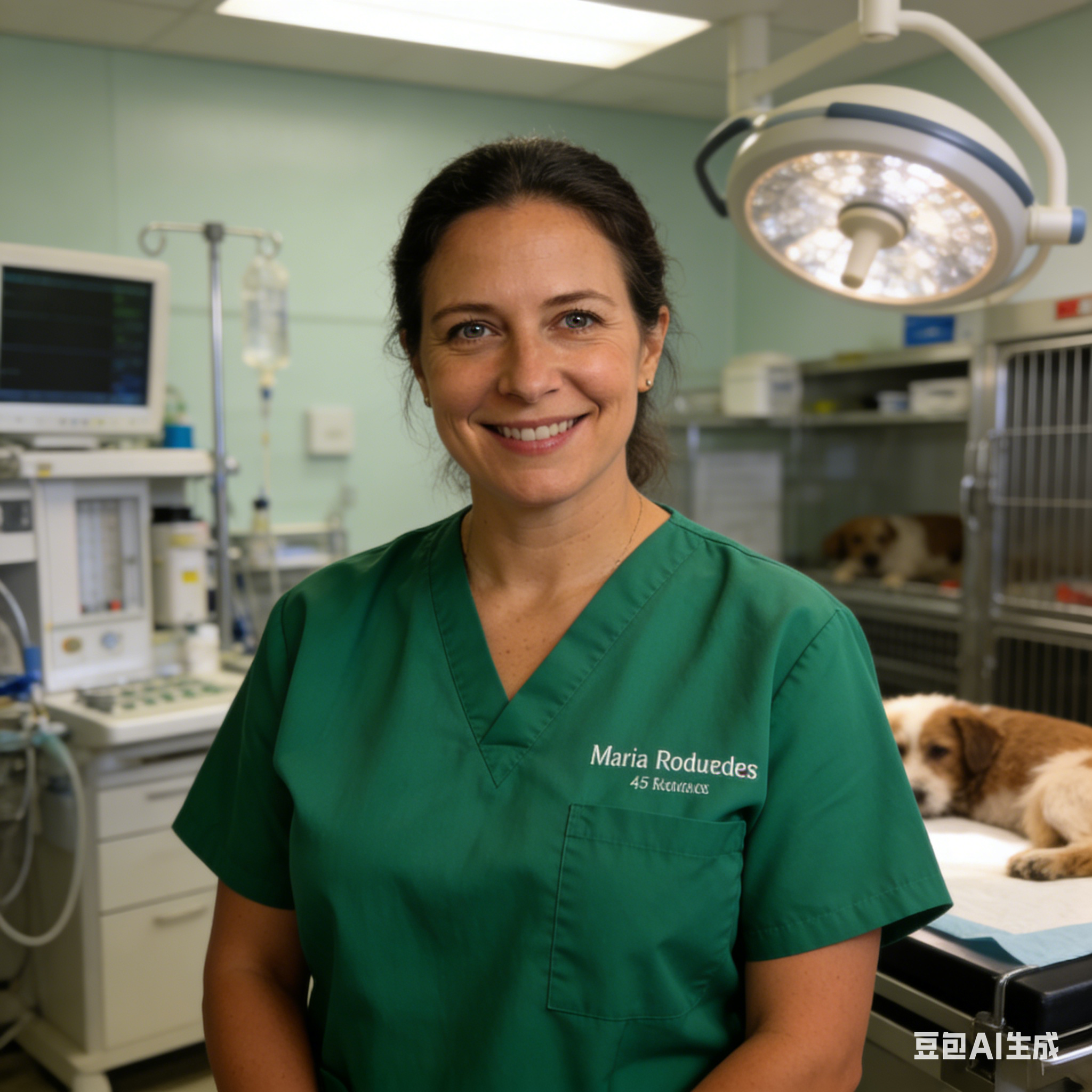
Exotic Animal Veterinarian
Medically Reviewed By
Exotic Animal Veterinarian
Sources
- [1]Association of Exotic Mammal Veterinarians (AEMV) Nutrition Guidelines
- [2]Journal of Exotic Pet Medicine: Guinea Pig Dietary Requirements
- [3]British Small Animal Veterinary Association (BSAVA) Cavy Nutrition

Key Takeaways
Exotic animal veterinarian explains guinea pig nutritional requirements. Learn about vitamin C needs, proper diet composition, and preventing nutritional deficiencies in cavies.
My Guinea Pig's Scurvy Scare: How I Learned About Proper Nutrition
I'll never forget the day I noticed something was wrong with my guinea pig, Peanut. He was a 2-year-old American guinea pig with a sweet personality, but suddenly he became lethargic and stopped eating his favorite vegetables.
I took him to the vet, and that's when I received the bad news: Peanut had scurvy. Scurvy is a serious condition caused by a vitamin C deficiency, and it's common in guinea pigs because they can't synthesize their own vitamin C.
The vet explained that guinea pigs have unique nutritional requirements, and I wasn't meeting them properly. This experience was a wake-up call for me. Here's my story of how I learned about proper guinea pig nutrition and helped Peanut recover.
The Signs I Missed
Looking back, there were signs that something was wrong with Peanut:
Lethargy
Peanut had been less active than usual for a few weeks, but I just thought he was getting older. I didn't realize that lethargy is a common sign of vitamin C deficiency.
Loss of Appetite
He stopped eating his favorite vegetables, especially bell peppers, which are high in vitamin C. I just assumed he was being picky.
Swollen Joints
I noticed that Peanut was moving more slowly, but I didn't realize that swollen joints are a classic sign of scurvy.
The Diagnosis and Treatment
When the vet examined Peanut, she found:
- Lethargy and loss of appetite
- Swollen joints
- Bleeding gums
- Rough, dull coat
The diagnosis was clear: scurvy caused by a vitamin C deficiency. The vet prescribed vitamin C supplements and gave me instructions on how to improve Peanut's diet.
Changing Peanut's Diet
I was determined to help Peanut recover and prevent this from happening again. Here's what I changed:
Increasing Vitamin C Intake
I started feeding Peanut more foods high in vitamin C:
- Bell peppers: I started giving him a small piece of bell pepper every day (red bell peppers are highest in vitamin C)
- Leafy greens: I increased his intake of kale, parsley, and broccoli
- Vitamin C supplements: I gave him a daily vitamin C tablet until he recovered
Focusing on Hay
I learned that hay should make up 80-90% of a guinea pig's diet:
- Unlimited access: I started providing Peanut with unlimited access to fresh timothy hay
- Daily replacement: I replaced his hay every day to ensure freshness
- Variety: I occasionally gave him orchard grass hay as a treat
Fresh Vegetables
I started offering Peanut a variety of fresh vegetables daily:
- 1 cup per day: I measured out exactly 1 cup of vegetables for him each day
- Variety: I included a mix of leafy greens, cruciferous vegetables, and other veggies
- Gradual introduction: When I introduced new vegetables, I did it gradually to avoid digestive issues
Limiting Fruits
I learned that fruits should be given in moderation because they're high in sugar:
- 1-2 small pieces per week: I limited Peanut's fruit intake to a few small pieces per week
- Safe options: I stuck to safe fruits like apples (without seeds), blueberries, and strawberries
Peanut's Recovery
With the proper diet and supplements, Peanut started to recover within a few weeks:
- He became more active and started running around his cage again
- His appetite returned, and he started eating his vegetables enthusiastically
- His coat became shiny and smooth
- His joints returned to normal
Today, Peanut is a happy, healthy 4-year-old guinea pig. He loves his daily bell pepper and spends hours munching on hay.
Tips for Other Guinea Pig Owners
If you're a guinea pig owner, here are a few tips that helped me:
-
Vitamin C is crucial: Make sure your guinea pig gets enough vitamin C through their diet or supplements. Bell peppers are an excellent source.
-
Hay is essential: Provide unlimited access to fresh hay (timothy hay for adults, alfalfa hay for young guinea pigs).
-
Variety is key: Offer a variety of fresh vegetables daily to ensure your guinea pig gets all the nutrients they need.
-
Limit fruits: Fruits are high in sugar, so give them in moderation (1-2 small pieces per week).
-
Check expiration dates: Guinea pig pellets lose their vitamin C over time, so check the expiration date and store them properly.
-
Monitor your guinea pig: Keep an eye out for signs of nutritional deficiencies, such as lethargy, loss of appetite, swollen joints, and bleeding gums.
Final Thoughts
Learning about proper guinea pig nutrition was a steep learning curve, but it was worth it to see Peanut recover. Guinea pigs have unique nutritional requirements, and it's important to understand them to ensure your pet lives a long, healthy life.
Remember, guinea pigs can't tell you when they're not feeling well, so it's up to you to be vigilant about their diet and health.
If you're ever unsure about your guinea pig's nutrition, don't hesitate to consult with a veterinarian who specializes in exotic pets.
Peanut's scurvy scare was a difficult experience, but it taught me a valuable lesson about the importance of proper nutrition. Now I'm passionate about sharing what I've learned to help other guinea pig owners avoid the same mistake.
The information provided in this article is for educational purposes only and is not intended as a substitute for professional veterinary advice, diagnosis, or treatment.
Always seek the advice of your veterinarian or other qualified animal health provider with any questions you may have regarding a medical condition or treatment for your pet. Never disregard professional veterinary advice or delay in seeking it because of something you have read on this website.
If you think your pet may have a medical emergency, call your veterinarian or an emergency animal hospital immediately.
Key Topics
Related Articles
Complete Hamster Care Guide: Habitat, Diet, and Health Essentials
Exotic animal veterinarian shares expert guidance on hamster care. Learn about proper cage size, safe bedding, balanced nutrition, and how to keep your hamster healthy and happy.
African Grey Parrot Training: Expert Techniques for Vocal Learning and Bonding
Avian behavior specialist shares evidence-based parrot training methods. Learn how to teach your African Grey vocalizations and build trust through positive reinforcement techniques.
Rabbit Housing and Enrichment: A Veterinary Guide to Optimal Environment
Exotic animal veterinarian explains proper rabbit housing requirements. Learn how to create an enriching environment that promotes physical health and psychological wellbeing for your bunny.