Reptile Habitat Setup: Creating the Perfect Environment for Your Pet
Written By
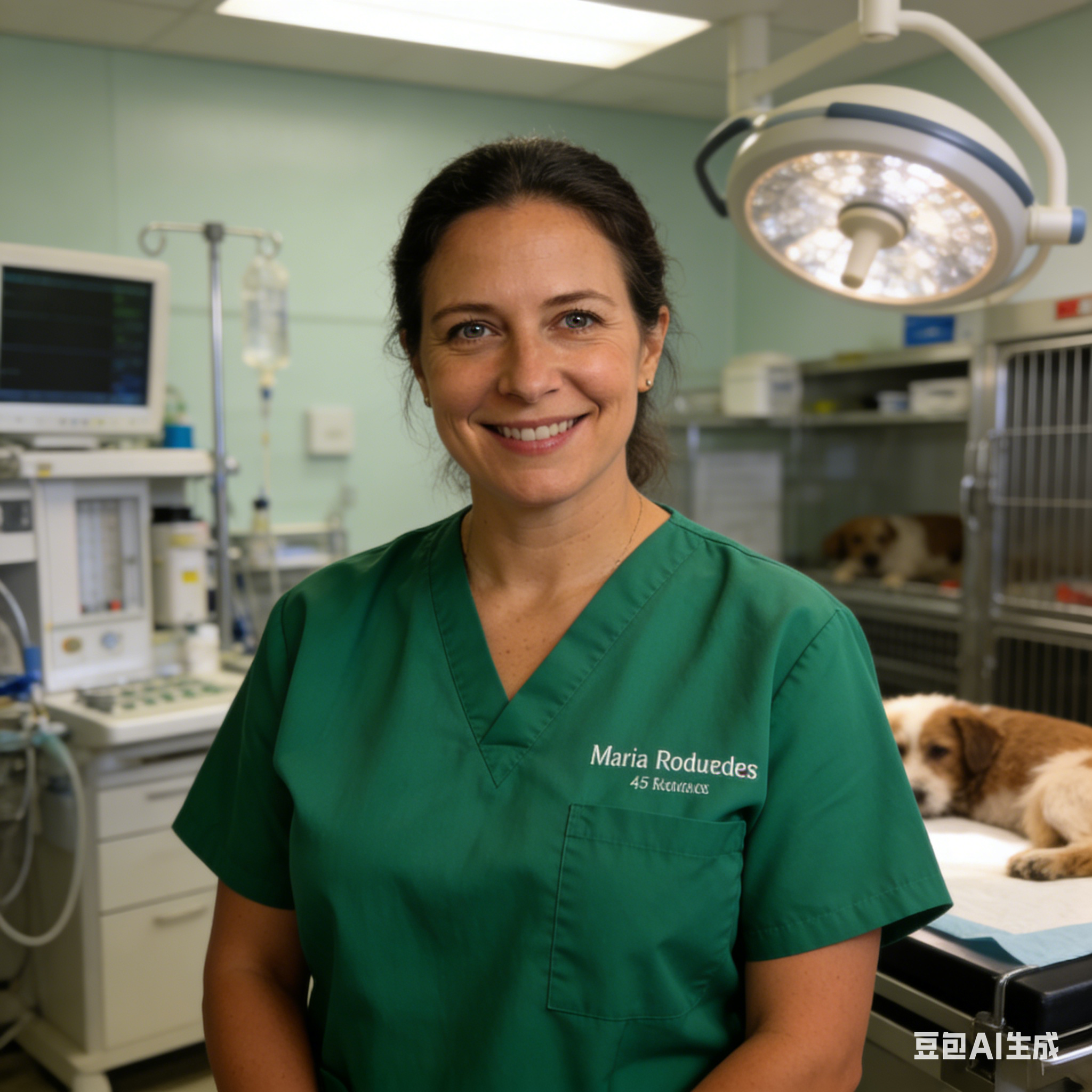
Exotic Animal Veterinarian
Medically Reviewed By
Exotic Animal Veterinarian
Sources
- [1]Association of Reptilian and Amphibian Veterinarians (ARAV) Habitat Guidelines
- [2]Journal of Herpetological Medicine and Surgery: Environmental Requirements
- [3]British Veterinary Association (BVA) Reptile Care Standards

Key Takeaways
Exotic animal veterinarian explains how to create optimal habitats for reptiles. Learn about temperature gradients, UVB lighting, substrate choices, and environmental enrichment.
How I Created the Perfect Habitat for My Bearded Dragon (After Making Costly Mistakes)
When I first brought home Spike, my baby bearded dragon, I was so excited to set up his new home. I did some quick research online, bought a 20-gallon glass tank, some reptile carpet, a heat lamp, and a UVB bulb. I thought I was ready to go. But I quickly learned that creating the perfect habitat for a reptile is more complicated than it seems.
The Early Mistakes
Within a few weeks, I noticed Spike wasn't acting right. He was lethargic, not eating much, and his beard was always black (a sign of stress). I took him to the vet, and the news was concerning: Spike had metabolic bone disease, a condition caused by insufficient calcium and vitamin D3.
The vet asked about his habitat, and I realized I had made several critical mistakes:
- The tank was too small: Bearded dragons need at least a 40-gallon tank, even as juveniles
- I wasn't maintaining a proper temperature gradient: Spike needed a basking spot around 95°F and a cool side around 75°F
- The UVB bulb was too weak: I had bought a cheap bulb that wasn't providing adequate UVB rays
- I wasn't monitoring humidity levels: Bearded dragons need moderate humidity (around 30-40%)
I felt terrible. I thought I was doing everything right, but I was actually harming my pet.
Starting Over
I decided to start from scratch. I invested in a 40-gallon breeder tank, a high-quality UVB bulb, a digital thermometer/hygrometer, and a thermostat to regulate the heat lamp. I also did extensive research on bearded dragon care.
Here's what I learned and implemented:
Creating the Perfect Environment
-
Temperature Gradient: I set up a basking area with a heat lamp and a thermostat to keep it at 95°F, and a cool side that stayed around 75°F. This allows Spike to regulate his body temperature by moving between the two areas.
-
Lighting: I invested in a high-quality UVB bulb that covers most of the tank. UVB is essential for bearded dragons to synthesize vitamin D3, which helps them absorb calcium.
-
Substrate: I switched from reptile carpet to a mix of calcium sand and topsoil. This allows Spike to dig and burrow, which is a natural behavior for bearded dragons.
-
Decor and Enrichment: I added rocks, logs, and plants to create a naturalistic environment. Spike loves climbing on the rocks and hiding in the logs.
The Transformation
Slowly but surely, Spike started to improve. He became more active, his appetite returned, and his beard was no longer constantly black. After a few months of proper care, his metabolic bone disease was under control.
Today, Spike is a happy, healthy adult bearded dragon. He's active, eats well, and loves exploring his habitat. I've even upgraded him to a 75-gallon tank to give him more space as he's grown.
Lessons Learned
Through this experience, I learned several important lessons about reptile habitat setup:
- Do your research before buying a pet: Different reptiles have different environmental requirements
- Invest in quality equipment: Cheap equipment can be harmful to your pet
- Monitor environmental conditions regularly: Use digital thermometers and hygrometers to keep track of temperature and humidity
- Provide a naturalistic environment: Reptiles thrive in environments that mimic their natural habitat
- Be prepared to adjust: As your reptile grows, its habitat needs will change
My Current Setup
Spike's current habitat includes:
- A 75-gallon tank with a screen top
- A basking area with a heat lamp and thermostat (95-100°F)
- A cool side (75-80°F)
- A high-quality UVB bulb that covers most of the tank
- A substrate of calcium sand and topsoil
- Multiple rocks and logs for climbing and hiding
- A shallow water dish for drinking and soaking
- Live plants that are safe for bearded dragons
I monitor the temperature and humidity daily, and I replace the UVB bulb every 6 months (even if it still lights up, UVB output decreases over time).
Tips for New Reptile Owners
If you're new to reptile keeping, here's what I wish I knew:
-
Start with the right size enclosure: Don't buy a small tank with the intention of upgrading later. Get the largest tank you can afford from the start.
-
Invest in quality equipment: A good UVB bulb, thermostat, and digital thermometer/hygrometer are worth the investment.
-
Research your specific species: Different reptiles have different requirements. What works for a bearded dragon might not work for a leopard gecko or a chameleon.
-
Join a community: Reptile forums and Facebook groups are great resources for advice and support.
-
Be patient: It takes time to create the perfect habitat, and you might make mistakes along the way. The important thing is to learn from them and keep trying.
The Reward
Today, Spike is a thriving bearded dragon who brings me so much joy. Watching him bask in the sun, explore his habitat, and interact with me is incredibly rewarding.
Creating the perfect habitat for a reptile requires time, effort, and research, but it's worth it to see your pet happy and healthy.
And if you make mistakes along the way—don't beat yourself up. We all learn through experience, and the important thing is that you're willing to make changes to improve your pet's quality of life.
The information provided in this article is for educational purposes only and is not intended as a substitute for professional veterinary advice, diagnosis, or treatment.
Always seek the advice of your veterinarian or other qualified animal health provider with any questions you may have regarding a medical condition or treatment for your pet. Never disregard professional veterinary advice or delay in seeking it because of something you have read on this website.
If you think your pet may have a medical emergency, call your veterinarian or an emergency animal hospital immediately.
Key Topics
Related Articles

Complete Hamster Care Guide: Habitat, Diet, and Health Essentials
Exotic animal veterinarian shares expert guidance on hamster care. Learn about proper cage size, safe bedding, balanced nutrition, and how to keep your hamster healthy and happy.
African Grey Parrot Training: Expert Techniques for Vocal Learning and Bonding
Avian behavior specialist shares evidence-based parrot training methods. Learn how to teach your African Grey vocalizations and build trust through positive reinforcement techniques.
Rabbit Housing and Enrichment: A Veterinary Guide to Optimal Environment
Exotic animal veterinarian explains proper rabbit housing requirements. Learn how to create an enriching environment that promotes physical health and psychological wellbeing for your bunny.