Guinea Pig Care Essentials: A Veterinary Guide for Owners
Written By
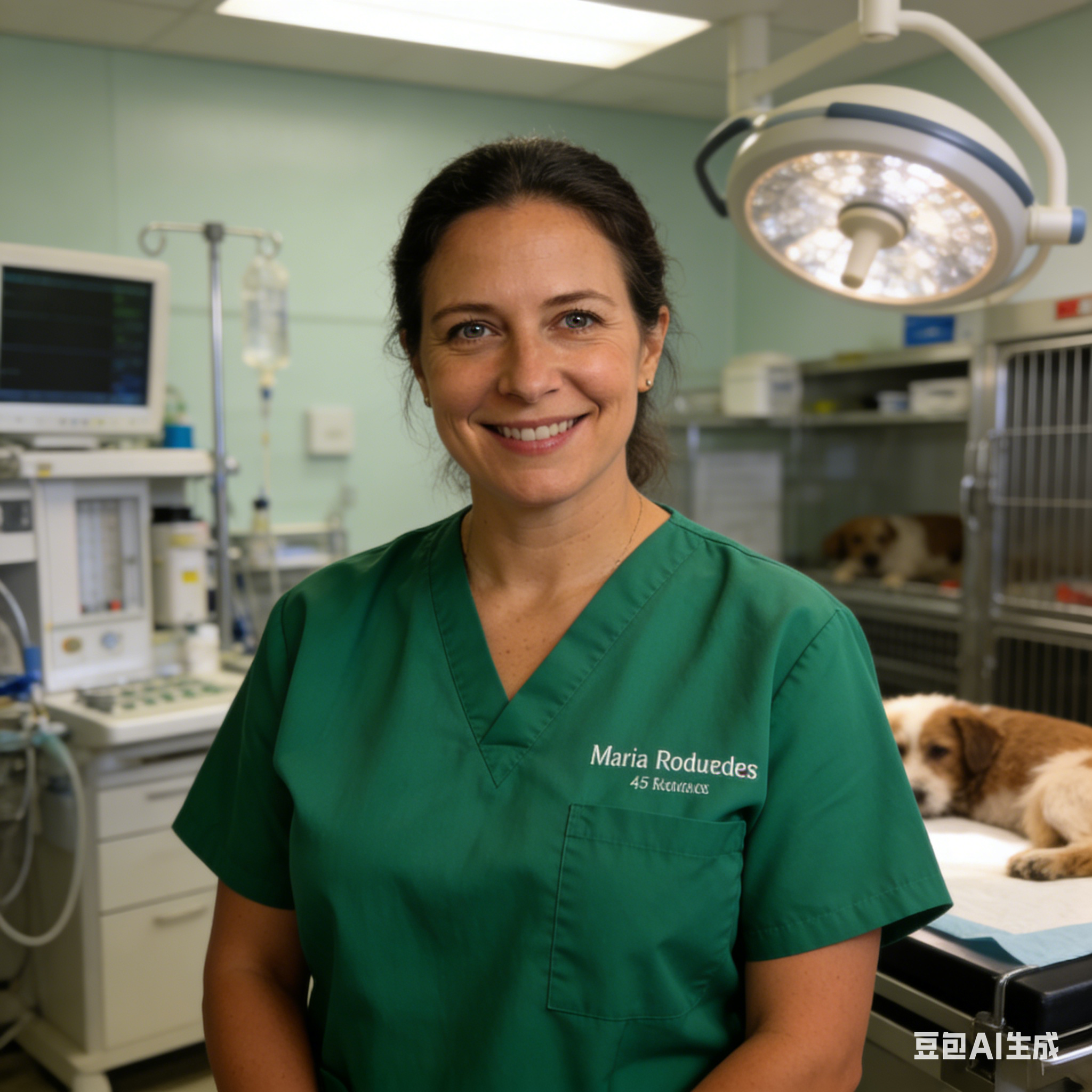
Exotic Animal Veterinarian
Medically Reviewed By
Exotic Animal Veterinarian
Sources
- [1]Association of Exotic Mammal Veterinarians (AEMV) Guinea Pig Guidelines
- [2]Journal of Exotic Pet Medicine: Cavy Care and Welfare
- [3]British Small Animal Veterinary Association (BSAVA) Exotic Pet Manual

Key Takeaways
Exotic animal veterinarian provides comprehensive guinea pig care guidelines. Learn about housing, nutrition, common health issues, and preventive care for cavies.
The day I brought home my first guinea pigs
It was a sunny Saturday afternoon when I brought home my first two guinea pigs, Peanut and Butter. I had done some research online, but I was still a novice when it came to guinea pig care.
I set up a cage for them with aspen shavings, a water bottle, a food bowl, and some Timothy hay. I thought I had everything they needed, but I quickly learned that guinea pigs have specific health needs that require more attention than I initially realized.
The health scare
About six months after I brought Peanut and Butter home, I noticed that Peanut was acting differently. He was lethargic, not eating as much, and his fur looked rough. I was worried, so I took him to the vet.
The vet examined Peanut and ran some tests. She diagnosed him with scurvy, a vitamin C deficiency. Guinea pigs can't synthesize their own vitamin C, so they need to get it from their diet.
I felt terrible. I had been feeding them guinea pig pellets, but I wasn't supplementing their diet with fresh vegetables or vitamin C. The vet prescribed vitamin C supplements and told me to start feeding them more fresh vegetables.
Thankfully, Peanut recovered quickly with the treatment. But the experience was a wake-up call for me. I realized that I needed to learn more about guinea pig care to keep Peanut and Butter healthy.
Learning about guinea pig health
After Peanut's scare, I became obsessed with learning about guinea pig health. Here's what I learned:
Common guinea pig health issues
Respiratory infections
Guinea pigs are prone to respiratory infections, especially if they're kept in a dusty or poorly ventilated environment. Symptoms include sneezing, wheezing, difficulty breathing, nasal discharge, and lethargy.
Dental problems
Guinea pigs' teeth grow continuously, so they need plenty of hay and other chewing material to keep their teeth trimmed. If their teeth get too long, they can have difficulty eating, which can lead to weight loss and other health problems.
Scurvy (vitamin C deficiency)
As I learned with Peanut, guinea pigs need a regular supply of vitamin C. Symptoms of scurvy include lethargy, loss of appetite, weight loss, swollen or painful joints, bleeding gums, and poor wound healing.
Gastrointestinal stasis (GI stasis)
GI stasis is a serious condition where the guinea pig's digestive system slows down or stops. It can be caused by stress, improper diet, dehydration, dental problems, or underlying medical conditions. Symptoms include decreased or no appetite, reduced or no fecal output, lethargy, bloating, and hunching.
Parasites
Guinea pigs can get external parasites like mites and lice, as well as internal parasites like worms and protozoa.
Essential guinea pig care tips
Diet
- Hay: Guinea pigs need unlimited Timothy hay or other grass hays (should make up 70-80% of their diet)
- Pellets: High-quality guinea pig pellets (5-10% of diet); avoid pellets with seeds, nuts, or dried fruit
- Vegetables: Fresh vegetables daily (10-15% of diet); include vitamin C-rich options like bell peppers, kale, broccoli, and parsley
- Fruits: Occasional treats (5% of diet); high in sugar so limit to small amounts like apple, banana, and berries
- Vitamin C: Supplement daily (10-30 mg per guinea pig); can be added to water or given directly
Housing
- Cage size: Minimum 7.5 square feet for one guinea pig, 10.5 square feet for two guinea pigs (bigger is always better)
- Bedding: Use aspen shavings, paper-based bedding, or hemp bedding; avoid cedar and pine (toxic to guinea pigs)
- Temperature: Maintain 65-75°F (18-24°C); avoid drafts, direct sunlight, and extreme temperatures
- Humidity: Maintain 40-60% humidity
- Enrichment: Provide hiding places, tunnels, chew toys, and a large exercise wheel (8+ inches diameter)
Handling and socialization
- Social animals: Guinea pigs are herd animals and should be kept in pairs or small groups (same sex to prevent breeding)
- Gentle handling: Approach slowly and gently; support their body fully when picking up
- Regular interaction: Spend time with your guinea pigs daily; talk to them, offer treats, and let them explore safely
- Bonding: Build trust through consistent, positive interactions; avoid sudden movements or loud noises
Peanut and Butter's happy life
Now, Peanut and Butter are healthy, happy guinea pigs. I feed them a balanced diet with plenty of fresh vegetables and vitamin C supplements. I clean their cage regularly, provide them with plenty of hay to chew on, and spend time with them every day.
I also take them to the vet for annual checkups to make sure they're healthy. The vet says they're in great shape, and I'm proud of how far I've come as a guinea pig owner.
What I've learned
Through my experience with Peanut and Butter, I've learned a lot about guinea pig care:
- Do your research: Before getting any pet, make sure you understand their specific care needs
- Provide a balanced diet: Guinea pigs need plenty of hay, fresh vegetables, and vitamin C
- Keep their environment clean: Regular cage cleaning is essential for guinea pig health
- Monitor their health: Check your guinea pigs daily for signs of illness
- Find a good vet: Look for an exotic pet vet with experience treating guinea pigs
The joy of guinea pig ownership
Despite the health scare, I've loved every minute of being a guinea pig owner. Peanut and Butter are sweet, gentle animals with unique personalities. They greet me with wheeks when I come home, and they love to snuggle with me on the couch.
If you're considering getting guinea pigs, I encourage you to do your research and learn about their specific care needs. With proper care, guinea pigs make wonderful companions that will bring you years of joy.
The information provided in this article is for educational purposes only and is not intended as a substitute for professional veterinary advice, diagnosis, or treatment.
Always seek the advice of your veterinarian or other qualified animal health provider with any questions you may have regarding a medical condition or treatment for your pet. Never disregard professional veterinary advice or delay in seeking it because of something you have read on this website.
If you think your pet may have a medical emergency, call your veterinarian or an emergency animal hospital immediately.
Key Topics
Related Articles
Complete Hamster Care Guide: Habitat, Diet, and Health Essentials
Exotic animal veterinarian shares expert guidance on hamster care. Learn about proper cage size, safe bedding, balanced nutrition, and how to keep your hamster healthy and happy.
African Grey Parrot Training: Expert Techniques for Vocal Learning and Bonding
Avian behavior specialist shares evidence-based parrot training methods. Learn how to teach your African Grey vocalizations and build trust through positive reinforcement techniques.
Rabbit Housing and Enrichment: A Veterinary Guide to Optimal Environment
Exotic animal veterinarian explains proper rabbit housing requirements. Learn how to create an enriching environment that promotes physical health and psychological wellbeing for your bunny.