Cockatiel Health: Recognizing and Preventing Common Avian Illnesses
Written By
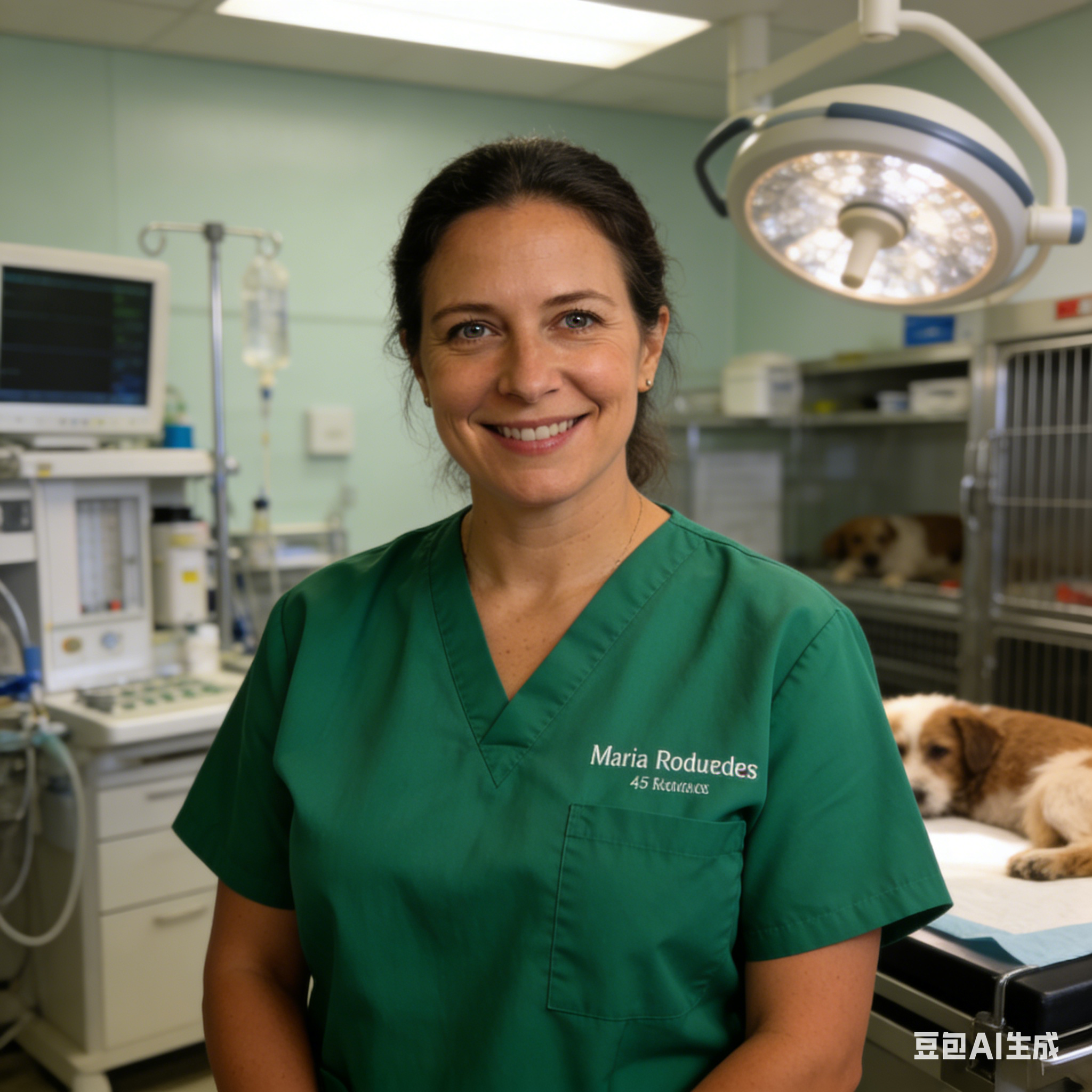
Exotic Animal Veterinarian
Medically Reviewed By
Exotic Animal Veterinarian
Sources
- [1]Association of Avian Veterinarians (AAV) Common Health Issues Guidelines
- [2]Journal of Avian Medicine and Surgery: Preventive Care for Psittacines
- [3]Lafeber Veterinary Handbook of Avian Clinical Medicine

Key Takeaways
Exotic animal veterinarian explains common health issues in cockatiels and how to prevent them. Learn to recognize early warning signs and maintain optimal bird health.
The day Charlie got sick
I'll never forget the day my cockatiel, Charlie, started acting strange. He was usually so lively, singing and dancing around his cage.
But that morning, he was sitting quietly on his perch, fluffed up like a little cotton ball.
I tried to get him to eat, but he didn't touch his food. I thought he might just be tired, but as the day went on, he got worse.
The diagnosis
I took Charlie to the vet, who told me he had a respiratory infection. The vet said it was likely caused by poor air quality in my home.
I was shocked. I didn't smoke, and I thought my home was clean.
But the vet explained that even small things, like using non-stick cookware or having dusty carpets, could be harmful to birds.
The treatment
Charlie spent a week at the vet's office, receiving antibiotics and supportive care. I visited him every day, and it broke my heart to see him so weak.
Thankfully, Charlie pulled through. But the experience taught me a valuable lesson about bird health.
What I learned
Since then, I've become much more aware of the things that can affect Charlie's health.
Here's what I've learned:
-
Air quality is crucial: Birds have extremely sensitive respiratory systems. I now avoid using non-stick cookware, and I vacuum and dust regularly to keep the air clean.
-
Diet matters: I used to feed Charlie just seeds, but now I give him a balanced diet of pellets, fresh fruits, and vegetables.
-
Regular checkups are important: I now take Charlie to the vet for annual checkups, even when he seems healthy.
-
Watch for signs of illness: Birds are masters at hiding their symptoms. I now check Charlie every day for any changes in his behavior or appearance.
-
Enrichment is essential: Charlie used to get bored easily, which can lead to stress and health problems. Now I provide him with plenty of toys and activities to keep him mentally stimulated.
My bird health routine
Here's the routine I follow now to keep Charlie healthy:
-
Daily checks: I check Charlie's food and water, monitor his droppings, and watch for any changes in his behavior.
-
Weekly maintenance: I clean Charlie's cage, rotate his toys, and check his perches for wear and tear.
-
Monthly tasks: I do a deeper cleaning of Charlie's cage, assess his overall condition, and review his diet.
-
Yearly vet visits: I take Charlie to the vet for an annual checkup, including a parasite screening and dietary recommendations.
The importance of finding the right vet
One thing I learned the hard way is that not all vets treat birds. When Charlie got sick, I had to drive an hour to find an avian specialist.
Now I make sure to keep Charlie's vet's contact information handy, and I know where the nearest emergency avian vet is located.
Charlie today
Charlie is now a happy, healthy bird. He's back to singing and dancing around his cage, and he loves to interact with me.
I'm so grateful he recovered, and I'm even more grateful for the lessons he taught me about bird health.
Advice for other bird owners
If you're a bird owner, here's my advice:
-
Be proactive: Don't wait until your bird is sick to learn about bird health. Educate yourself now.
-
Watch for signs of illness: Birds hide their symptoms, so it's important to be vigilant.
-
Find a good avian vet: Not all vets treat birds. Do your research and find a vet who specializes in avian care.
-
Create a healthy environment: Pay attention to air quality, diet, and enrichment.
-
Regular checkups: Take your bird to the vet for annual checkups, even when they seem healthy.
Charlie has brought so much joy to my life. I'm committed to doing everything I can to keep him healthy for years to come.
The information provided in this article is for educational purposes only and is not intended as a substitute for professional veterinary advice, diagnosis, or treatment.
Always seek the advice of your veterinarian or other qualified animal health provider with any questions you may have regarding a medical condition or treatment for your pet. Never disregard professional veterinary advice or delay in seeking it because of something you have read on this website.
If you think your pet may have a medical emergency, call your veterinarian or an emergency animal hospital immediately.
Key Topics
Related Articles
Complete Hamster Care Guide: Habitat, Diet, and Health Essentials
Exotic animal veterinarian shares expert guidance on hamster care. Learn about proper cage size, safe bedding, balanced nutrition, and how to keep your hamster healthy and happy.
African Grey Parrot Training: Expert Techniques for Vocal Learning and Bonding
Avian behavior specialist shares evidence-based parrot training methods. Learn how to teach your African Grey vocalizations and build trust through positive reinforcement techniques.
Rabbit Housing and Enrichment: A Veterinary Guide to Optimal Environment
Exotic animal veterinarian explains proper rabbit housing requirements. Learn how to create an enriching environment that promotes physical health and psychological wellbeing for your bunny.