African Grey Parrot Care: A Comprehensive Veterinary Guide
Written By

Exotic Animal Veterinarian
Medically Reviewed By
Exotic Animal Veterinarian
Sources
- [1]Association of Avian Veterinarians (AAV) African Grey Care Guidelines
- [2]Journal of Exotic Pet Medicine: Psittacine Husbandry and Welfare
- [3]World Parrot Trust Veterinary Care Standards
Key Takeaways
Exotic animal veterinarian provides essential care guidelines for African Grey parrots. Learn about housing requirements, cognitive enrichment, and health monitoring for these intelligent birds.
The day I brought Einstein home
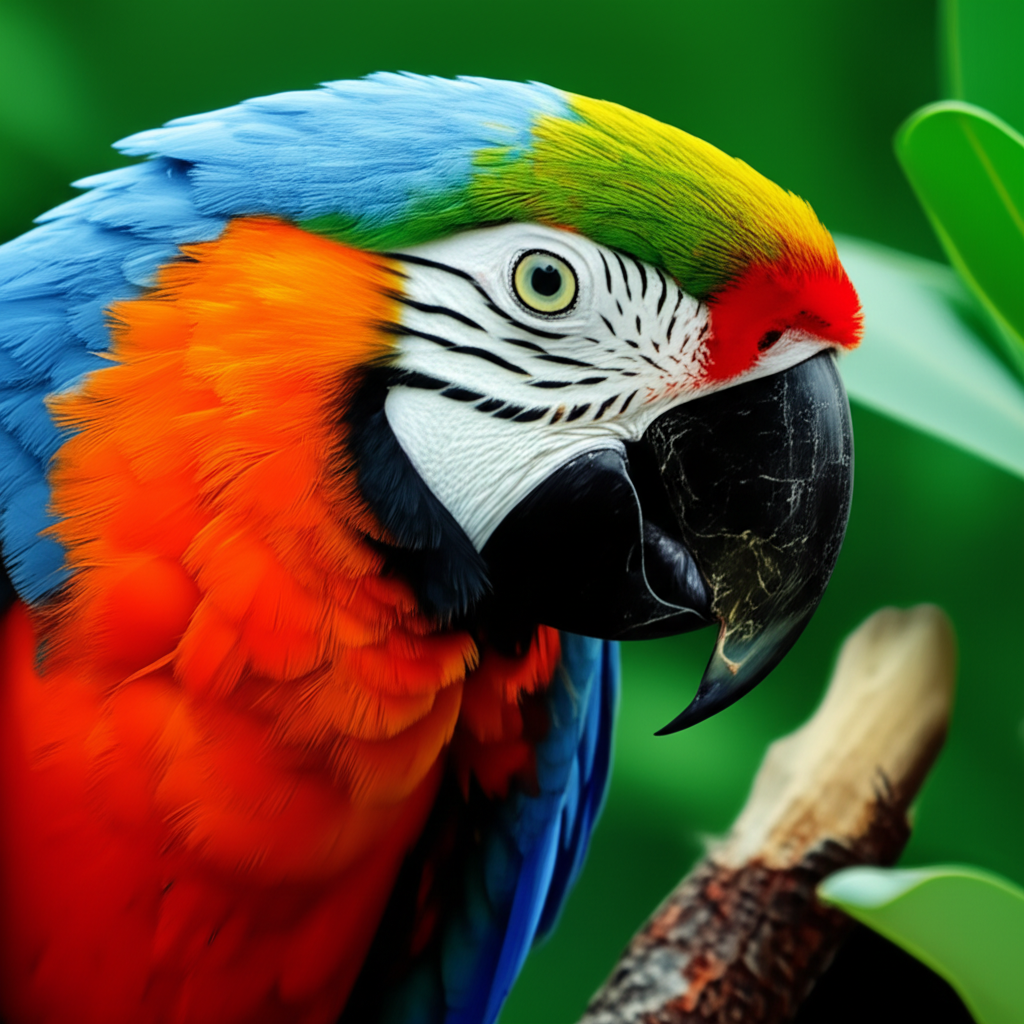
I'll never forget the day I brought Einstein home. He was a beautiful African Grey parrot with bright red tail feathers and intelligent eyes that seemed to see right through me.
I was so excited to have him. I'd done some research, but I had no idea what I was getting myself into.
The first mistake: the cage
My first mistake was buying a cage that was too small. I thought it looked big enough, but Einstein quickly outgrew it.
He started plucking his feathers and screaming constantly. I had no idea why.
Then I did more research and learned that African Greys need huge cages - at least 36 inches wide, 24 inches deep, and 48 inches tall.
I went out and bought a much larger cage, and Einstein immediately seemed happier.
The second mistake: the diet
My second mistake was feeding Einstein only seeds. I thought that's what parrots ate.
But after a few months, Einstein started losing weight and his feathers looked dull.
I took him to an avian vet, who told me that seed-only diets are bad for parrots. They're high in fat and lack essential nutrients.
The vet recommended a diet of pellets, fresh fruits, and vegetables.
It took months to transition Einstein from seeds to pellets, but it was worth it. His feathers grew back, and he had more energy.
The third mistake: socialization
My third mistake was not spending enough time with Einstein. I thought he'd be fine entertaining himself.
But African Greys are highly social birds. They need several hours of interaction every day.
When I didn't give him enough attention, Einstein started developing behavioral problems. He'd bite me when I tried to handle him, and he'd scream for hours at a time.
I started spending more time with Einstein, talking to him, playing with him, and teaching him tricks.
Over time, our bond grew stronger, and his behavioral problems disappeared.
The fourth mistake: enrichment
My fourth mistake was not providing enough enrichment for Einstein. I thought a few toys would be enough.
But African Greys are incredibly intelligent. They need mental stimulation to stay happy and healthy.
I started providing Einstein with foraging toys, puzzle toys, and different types of perches.
I also started rotating his toys every week to keep him interested.
Einstein loved the new toys, and he spent hours playing with them.
The fifth mistake: not knowing about their lifespan
My fifth mistake was not realizing how long African Greys live. They can live up to 60 years!
That's a huge commitment. I need to make sure I have a plan for Einstein if something happens to me.
I've started talking to my family about taking care of Einstein if I can't, and I'm considering setting up a trust for his care.
The lessons I learned
Einstein has taught me so much:
-
Do your research: Before getting a parrot, learn as much as you can about their care requirements.
-
Invest in the right equipment: A good cage, proper food, and plenty of toys are essential.
-
Spend time with your parrot: Parrots are social animals and need daily interaction.
-
Provide mental stimulation: Intelligent birds like African Greys need puzzles and challenges.
-
Plan for the long term: Parrots live a long time, so you need to make sure you can care for them throughout their lives.
The rewards
Despite all the mistakes I made, Einstein has been one of the most rewarding pets I've ever had.
He's incredibly intelligent and has learned to say over 100 words. He can mimic my voice perfectly, and he even laughs at my jokes.
He's also incredibly affectionate. He loves to cuddle with me on the couch and preen my hair.
Einstein has taught me patience, responsibility, and the importance of understanding the needs of the animals in our care.
Advice for other parrot owners
If you're thinking about getting a parrot, here's what I'd tell you:
-
Be prepared for a long commitment: Parrots live a long time, so make sure you're ready for that.
-
Do your research: Learn as much as you can about the specific species you're interested in.
-
Invest in quality care: A good cage, proper food, and regular vet checkups are essential.
-
Spend time with your parrot: Parrots need daily interaction to stay happy and healthy.
-
Be patient: Parrots can be challenging, but the rewards are worth it.
Einstein has been a constant companion for over 10 years now, and I can't imagine my life without him.
If you're willing to put in the time and effort, a parrot can be one of the most rewarding pets you'll ever have.
The information provided in this article is for educational purposes only and is not intended as a substitute for professional veterinary advice, diagnosis, or treatment.
Always seek the advice of your veterinarian or other qualified animal health provider with any questions you may have regarding a medical condition or treatment for your pet. Never disregard professional veterinary advice or delay in seeking it because of something you have read on this website.
If you think your pet may have a medical emergency, call your veterinarian or an emergency animal hospital immediately.
Key Topics
Related Articles
Complete Hamster Care Guide: Habitat, Diet, and Health Essentials
Exotic animal veterinarian shares expert guidance on hamster care. Learn about proper cage size, safe bedding, balanced nutrition, and how to keep your hamster healthy and happy.
African Grey Parrot Training: Expert Techniques for Vocal Learning and Bonding
Avian behavior specialist shares evidence-based parrot training methods. Learn how to teach your African Grey vocalizations and build trust through positive reinforcement techniques.
Rabbit Housing and Enrichment: A Veterinary Guide to Optimal Environment
Exotic animal veterinarian explains proper rabbit housing requirements. Learn how to create an enriching environment that promotes physical health and psychological wellbeing for your bunny.