Small Dog Training: Expert Techniques for Yorkshire Terriers and Toy Breeds
Written By
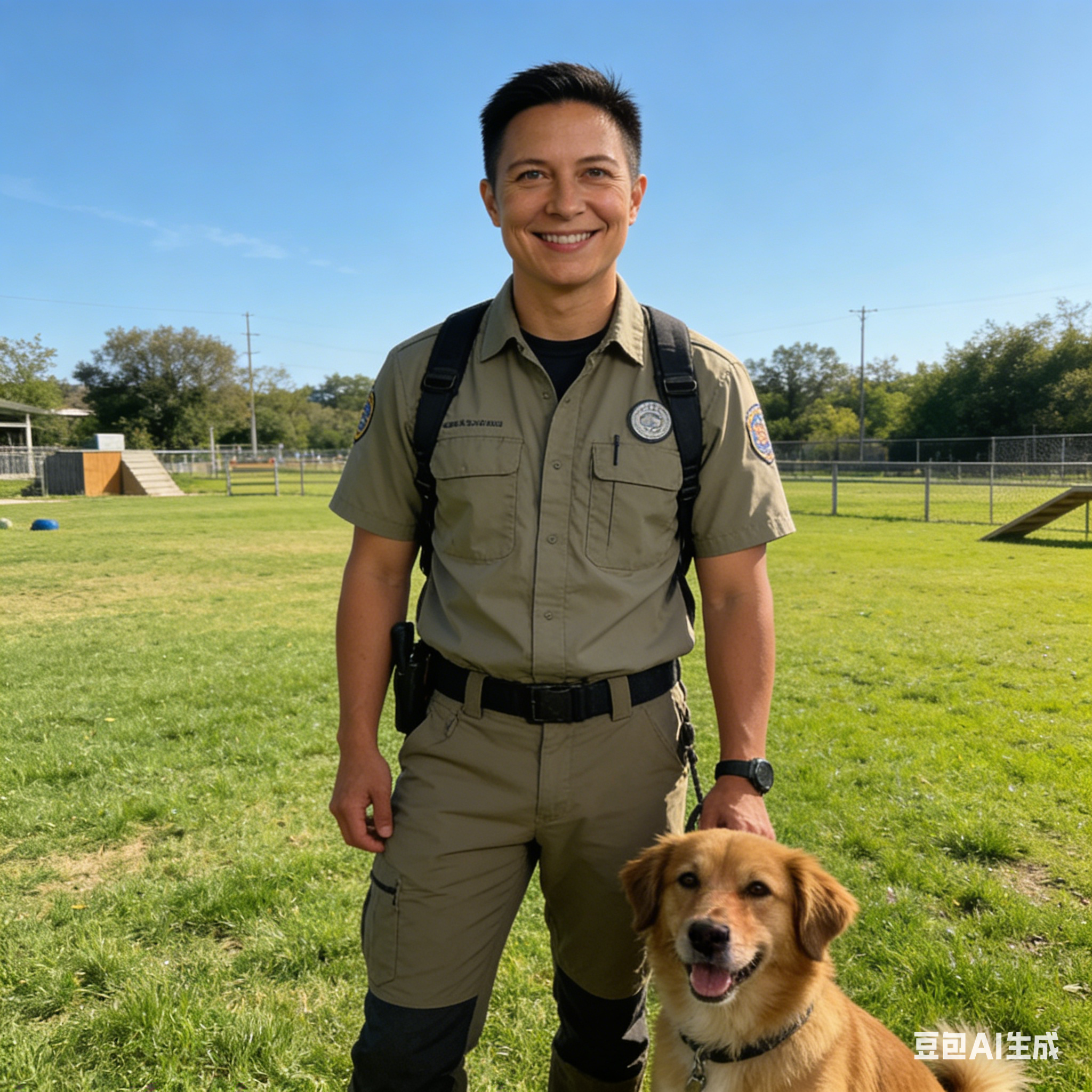
Certified Professional Dog Trainer
Medically Reviewed By

Veterinarian & Animal Behaviorist
Sources
- [1]Certification Council for Professional Dog Trainers (CCPDT) Small Breed Guidelines
- [2]Journal of Applied Animal Welfare Science: Training Methods for Small Dogs
- [3]Association of Professional Dog Trainers (APDT) Breed-Specific Training Resources

Key Takeaways
Certified dog trainer shares specialized training methods for small breeds. Learn how to address common challenges like excessive barking, leash pulling, and small dog syndrome using positive reinforcement.
The day I brought Max home
I'll never forget the day I brought Max home. He was a tiny Yorkie puppy, weighing just 2 pounds, with big brown eyes and a feisty personality.
At first, he was adorable. But as he grew older, his behavior started to become a problem.
The yapping menace
Max barked at everything: the mailman, the neighbor's cat, even the wind blowing through the trees. It got so bad that my neighbors started complaining.
The leash pulling champion
When I took Max for walks, he pulled so hard on the leash that he would choke himself. I tried using a regular collar, but it only made things worse.
The furniture jumper
Max loved jumping on and off the couch, even though I was worried he would hurt himself.
The food thief
Max would steal food off the counter whenever he got the chance. He once ate an entire chocolate bar, which could have been deadly for a small dog.
The breaking point
One day, Max bit a visitor who tried to pet him. That's when I knew I had to do something.
The training journey begins
I hired a professional dog trainer who specialized in small breeds. She told me that many small dog owners make the mistake of treating their dogs like babies instead of dogs.
"Max thinks he's the alpha in this house," she said. "You need to establish yourself as the leader."
The harness that changed everything
First, she recommended I use a harness instead of a collar. This immediately stopped the choking issue when we went for walks.
The barking solution
For the barking, she taught me to ignore Max when he barked unnecessarily, and to reward him when he was quiet.
It was hard at first - I wanted to yell at him to stop barking. But the trainer told me that yelling only reinforces the behavior, because Max thinks I'm joining in.
The leash training
For the leash pulling, she taught me to stop walking whenever Max pulled, and to only start walking again when he relaxed the leash.
The furniture rule
For the furniture jumping, she recommended I set up a dog bed next to the couch, and to reward Max when he stayed on his bed.
The food stealing prevention
For the food stealing, she recommended I keep all food off the counter, and to give Max plenty of mental stimulation with puzzle toys.
The transformation
After a few months of consistent training, I started noticing changes in Max:
- He barked less - only when there was a real reason to alert me.
- He walked nicely on the leash - no more choking or pulling.
- He stayed on his dog bed when I asked him to.
- He stopped stealing food off the counter.
- He was friendlier to visitors.
I couldn't believe the difference proper training made.
What I wish someone had told me about small dogs
-
They're not just cute accessories: Small dogs have the same behavioral needs as large dogs - they just come in smaller packages.
-
Consistency is key: Small dogs thrive on routine and consistent rules.
-
They need mental stimulation: Small dogs are often highly intelligent and need activities to keep their minds busy.
-
They're sensitive: Small dogs can be more sensitive to harsh corrections than large dogs.
-
They need socialization: Small dogs need to be exposed to different people, animals, and environments to become well-adjusted.
My favorite small dog training tips
-
Use high-value treats: Small dogs are motivated by food, so use tiny, delicious treats for training.
-
Keep training sessions short: Small dogs have short attention spans, so keep training sessions to 5-10 minutes.
-
Be patient: Small dogs may take longer to learn than large dogs, but they're just as capable.
-
Use positive reinforcement: Reward good behavior instead of punishing bad behavior.
-
Socialize early and often: Expose your small dog to different people, animals, and environments from a young age.
The biggest lesson I learned
Max taught me that small dogs aren't "easy" pets - they require just as much time, effort, and training as large dogs.
But he also taught me that the rewards are worth it. Today, Max is a well-behaved, happy companion who brings joy to my life every day.
The happy ending
Last week, I took Max to the dog park for the first time. He played nicely with the other dogs, didn't bark excessively, and came when I called him.
I was so proud of him. It's been a long journey, but it was all worth it.
If you have a small dog, don't give up on training. With patience, consistency, and the right approach, you can turn your tiny terror into a well-behaved companion.
And remember: small dogs may be little, but they have big hearts. They deserve the same love, respect, and training as any other dog.